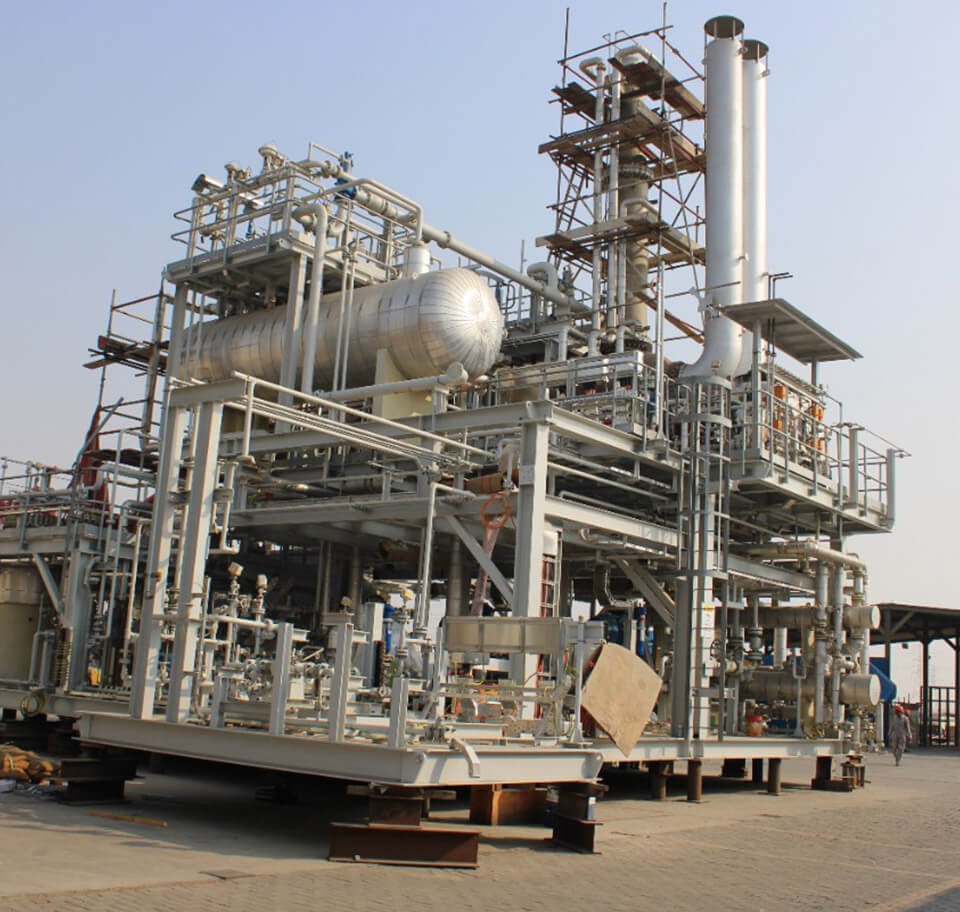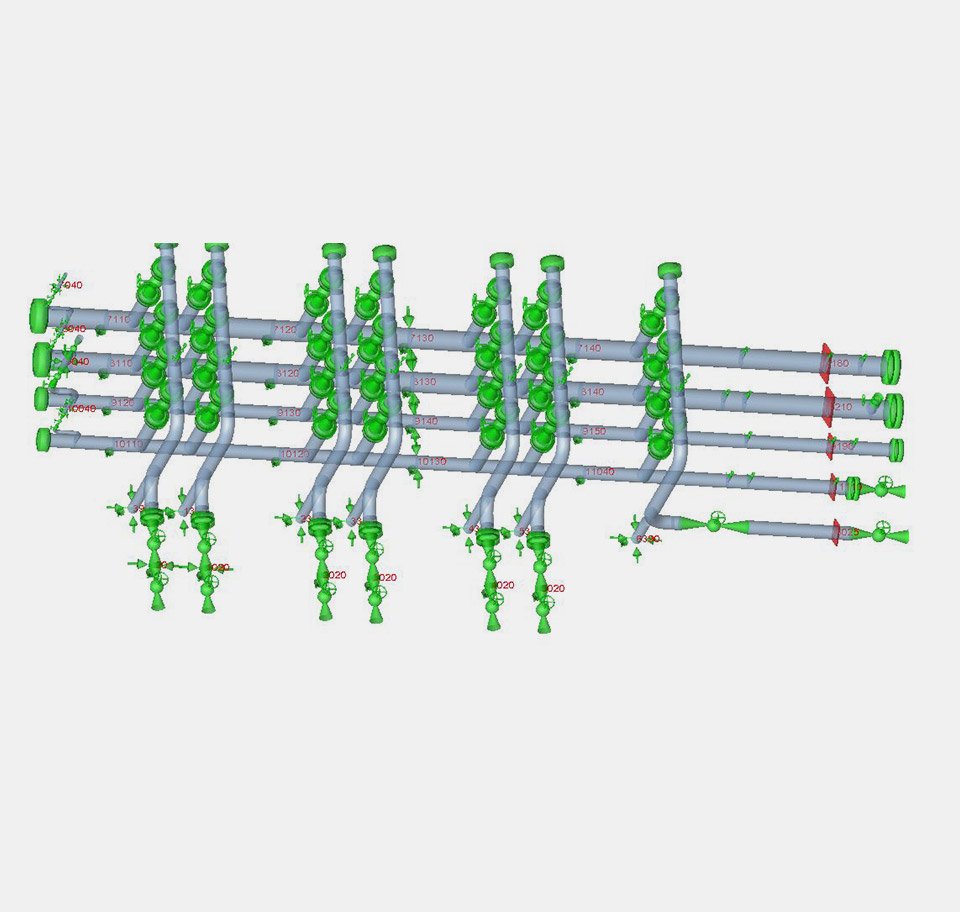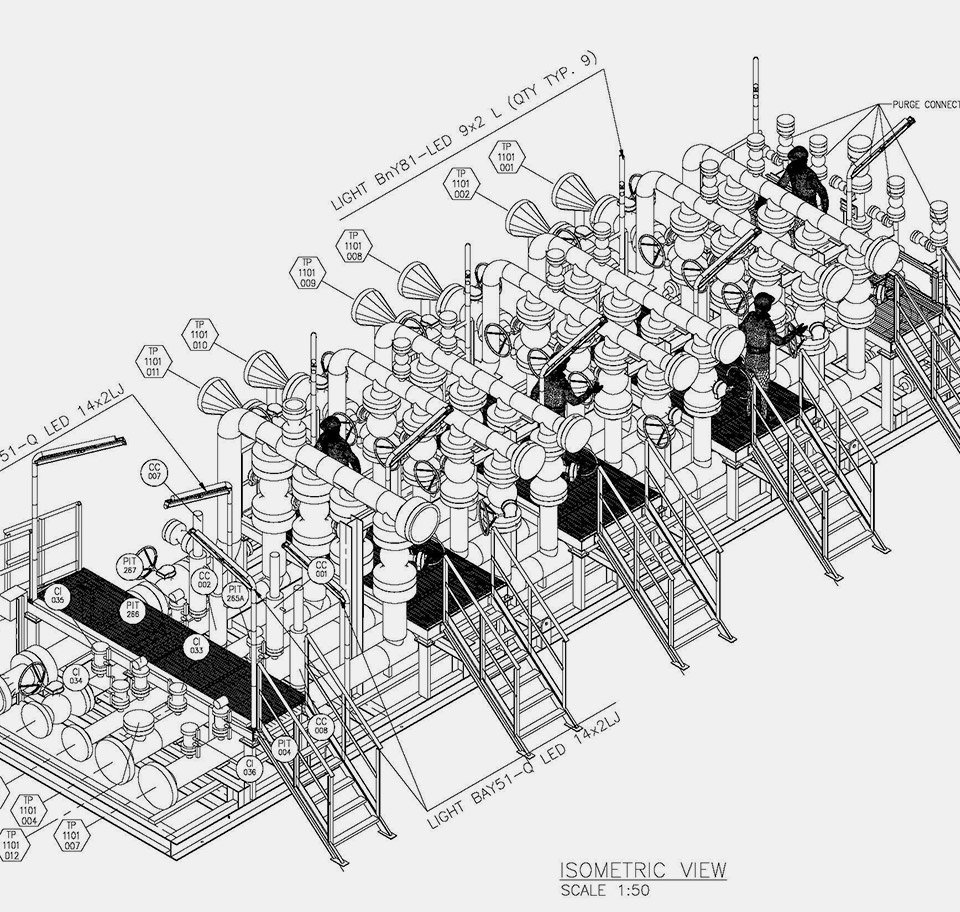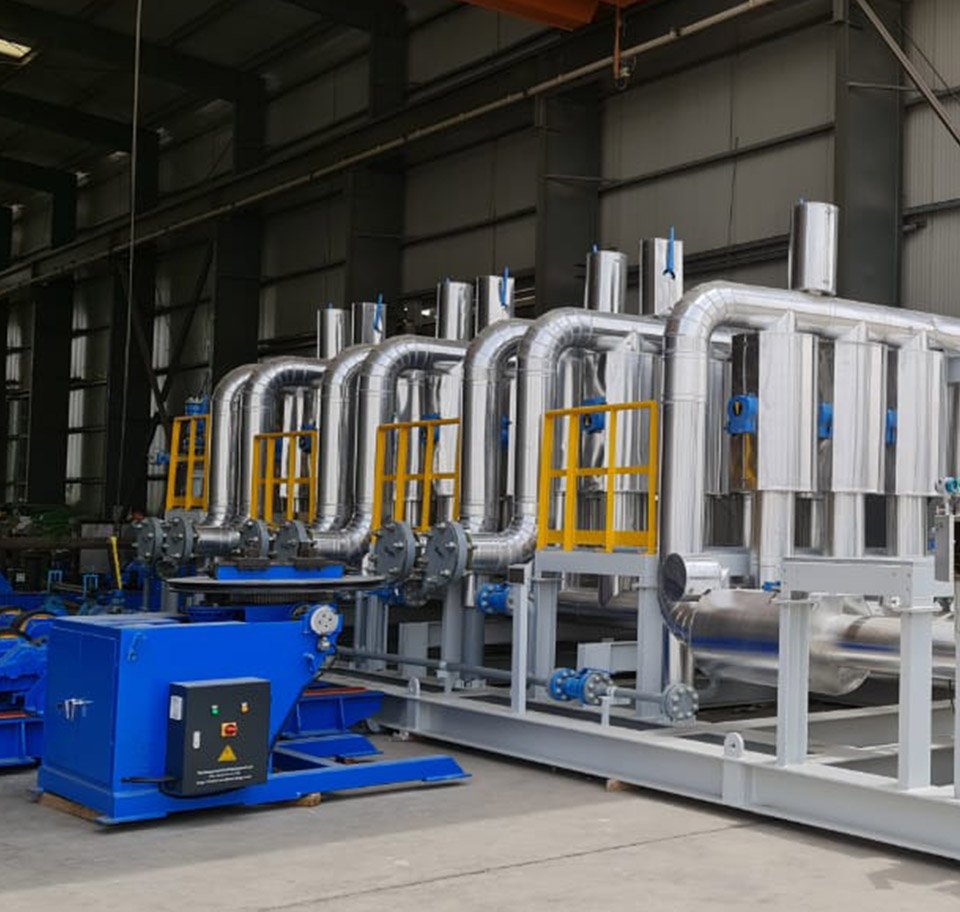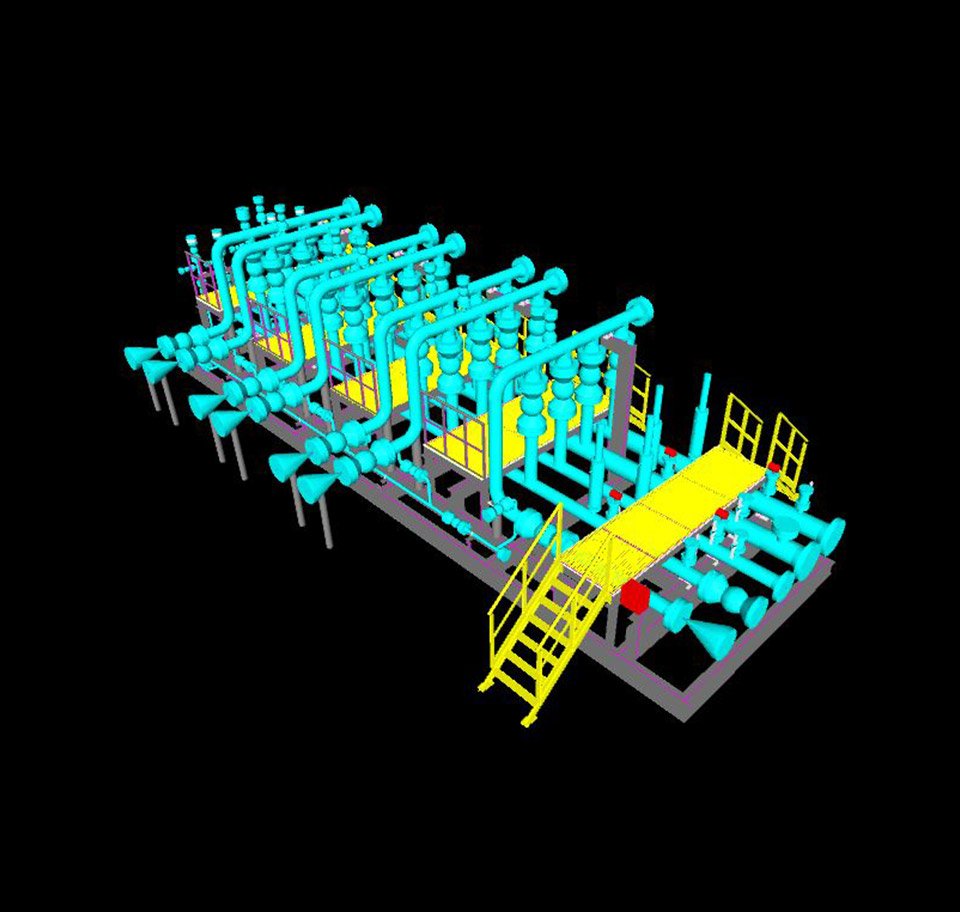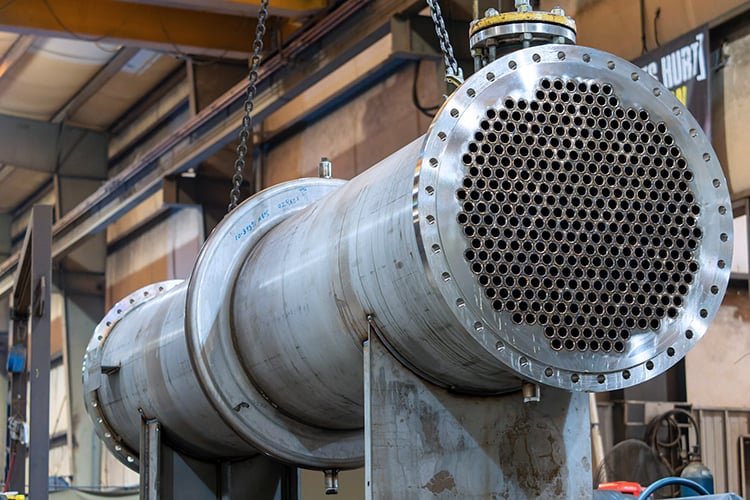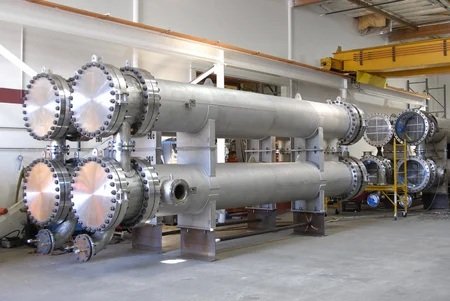
Poultry Breeding Project
Poultry Breeding Wastewater Treatment System
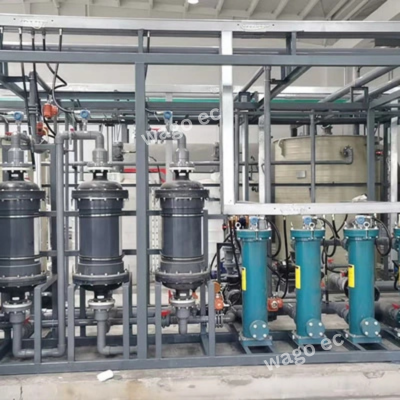
Turning Raw Water into Safe Water: The Water Treatment Process
Water treatment is essentially the process of upgrading raw water—whether from a river, well, or the sea—so that it meets the precise quality standards required for its end use, cleaning the water through a mix of physical, chemical, and biological techniques.
- Purification — Extracting harmful substances like pathogens, heavy metals, and organic pollutants.
- Refinement — Adjusting properties like clarity, taste, pH balance, and hardness.
- Safety & Stewardship — Protecting human health and ensuring water returned to the environment is safe.
The Anatomy of a Water Treatment System
Water treatment is a staged, systematic journey. Here is a breakdown of how the process moves from raw input to finished product:
Pretreatment: The Heavy Lifting
Before water hits sensitive high-tech membranes, we have to clear out the bulk of the contaminants.
- Grilles/Screens — The first barrier, catching large floating debris like plastic, hair, and leaves.
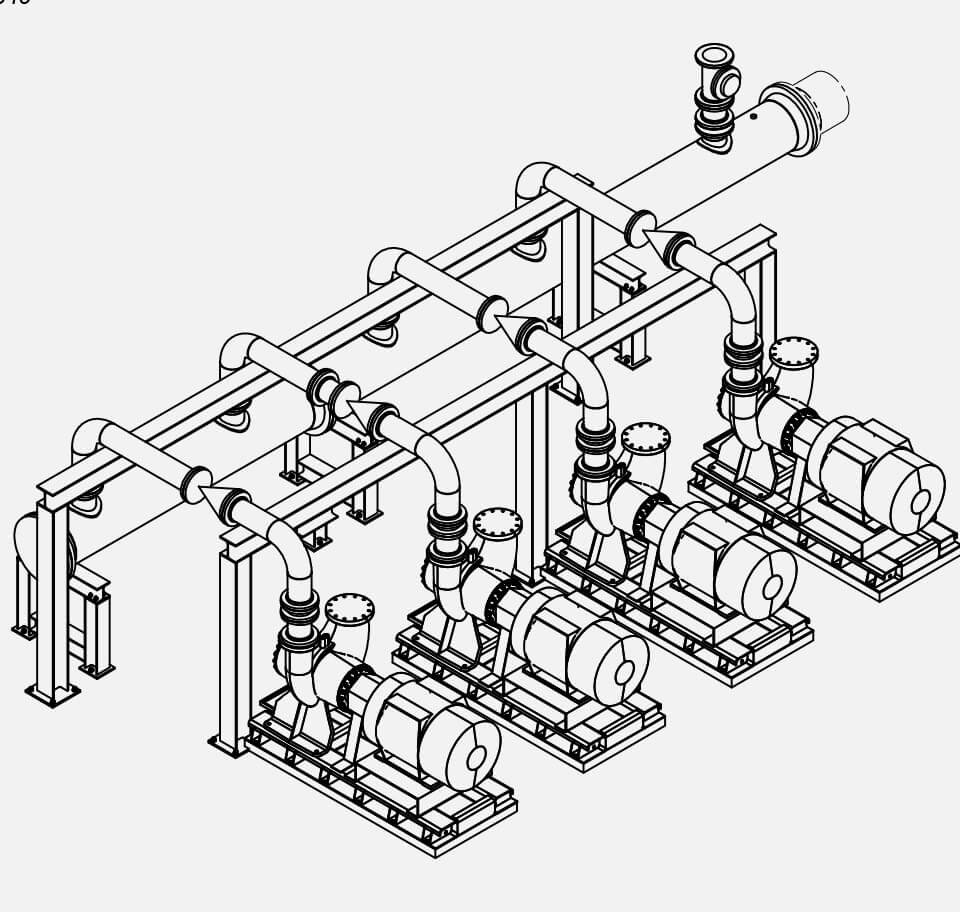
- Raw Water Pumps — Provide the pressure and flow needed to push water through the treatment stages.
- Multi-Media Filters — Graded layers of quartz sand and anthracite remove sediment and turbidity.
- Activated Carbon Filters — Use activated carbon’s surface area to adsorb odors, organic matter, and chlorine.
- Softeners — Ion exchange resin pulls out calcium and magnesium to prevent scale buildup.
- Safety Filters — A fine 5-micron filter serves as the final gatekeeper before core systems.
Core Treatment: The Purification Powerhouse
This is where the most intensive purification happens.
- High-Pressure Pumps — The “heart” of the system, creating pressure to drive water through membranes.
- Reverse Osmosis (RO) Device — Strips away dissolved salts, bacteria, and microscopic impurities.
- Energy Recovery — Harvests energy from the high-pressure waste stream, lowering electricity consumption.
- EDI (Electrodeionization) — Removes remaining ions for continuous production of ultra-pure water.
Polishing and Disinfection: Ensuring Final Safety
Once pure, the water must be kept free of microorganisms before it reaches the tap.
- UV Sterilizers — A clean, chemical-free way to destroy the DNA of germs using ultraviolet light.
- Ozone Generators — A powerful oxidizer, eliminating bacteria, viruses, and odors.
- Chlorine/Chlorine Dioxide — A small dose provides long-lasting protection during transport.
- Terminal Precision Filters — 0.22 or 0.45-micron filters act as a final sterile barrier.
Auxiliary and Control Systems
Supporting the main flow are several crucial “behind-the-scenes” systems.
- Dosing Systems — The plant’s “pharmacy”—chemicals to adjust pH, neutralize chlorine, or prevent scaling.
- Storage Tanks — Provide essential buffer capacity, balancing flow between processing stages.
- Control Systems (The “Brain”) — PLC or DCS systems enable 24/7 automation and real-time alarms.
Sludge Treatment: Handling the Waste
Every treatment process produces waste in the form of sludge.
- Concentration & Dehydration — Belt or plate-frame filter presses squeeze out water, resulting in a mud cake.