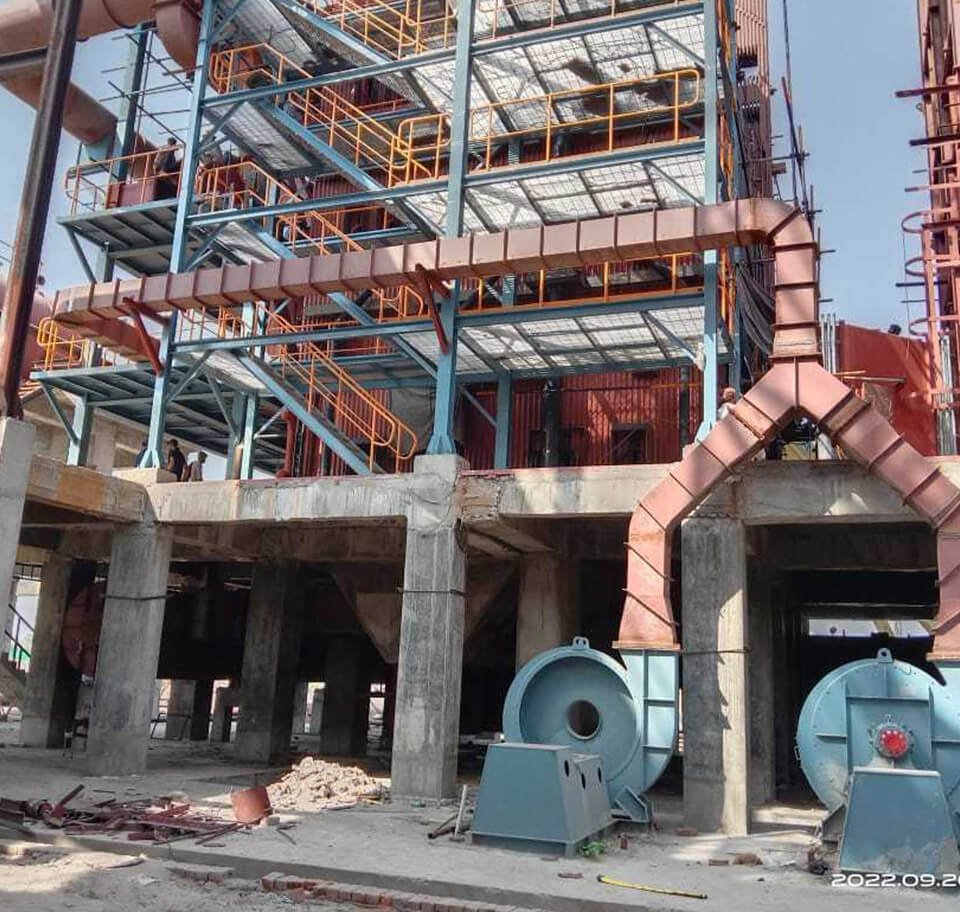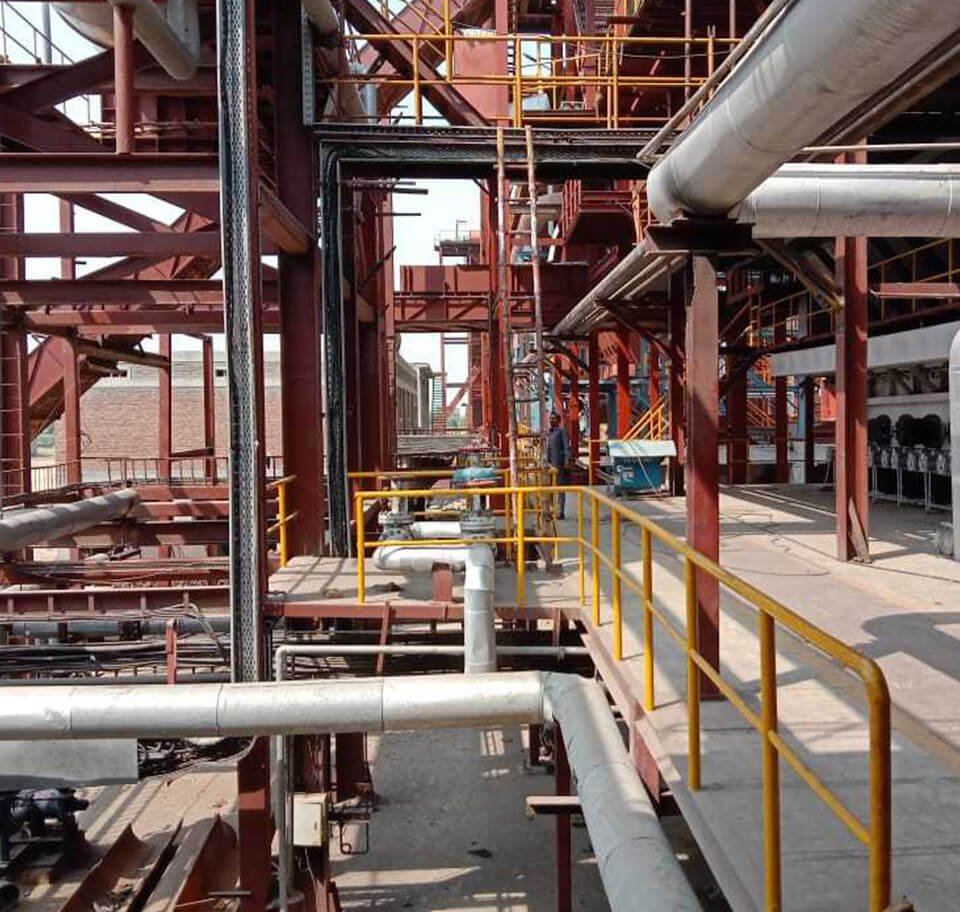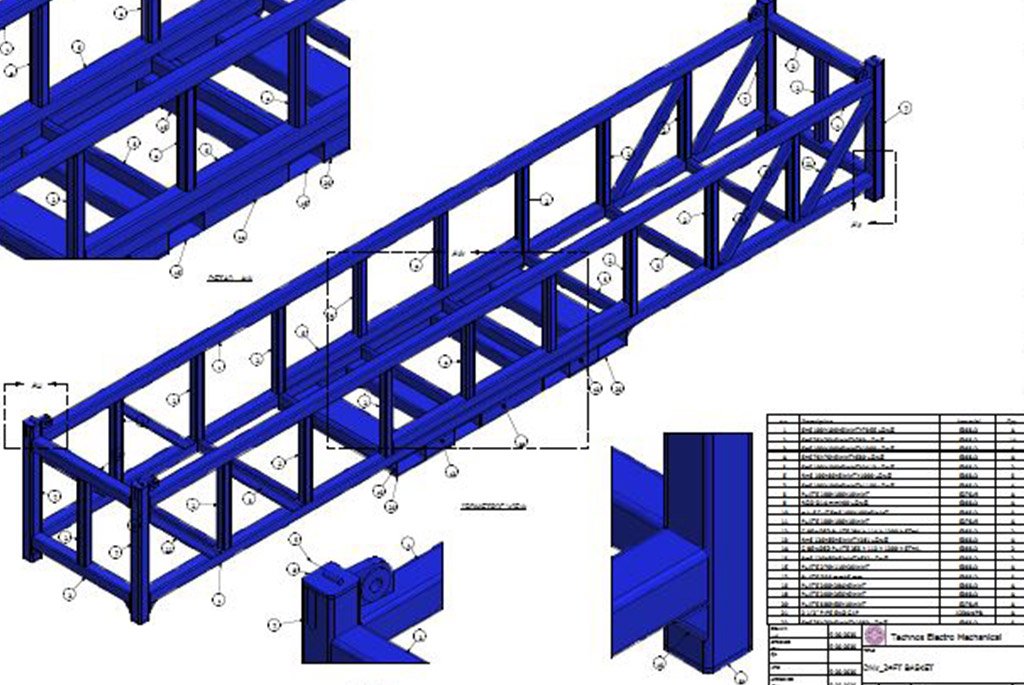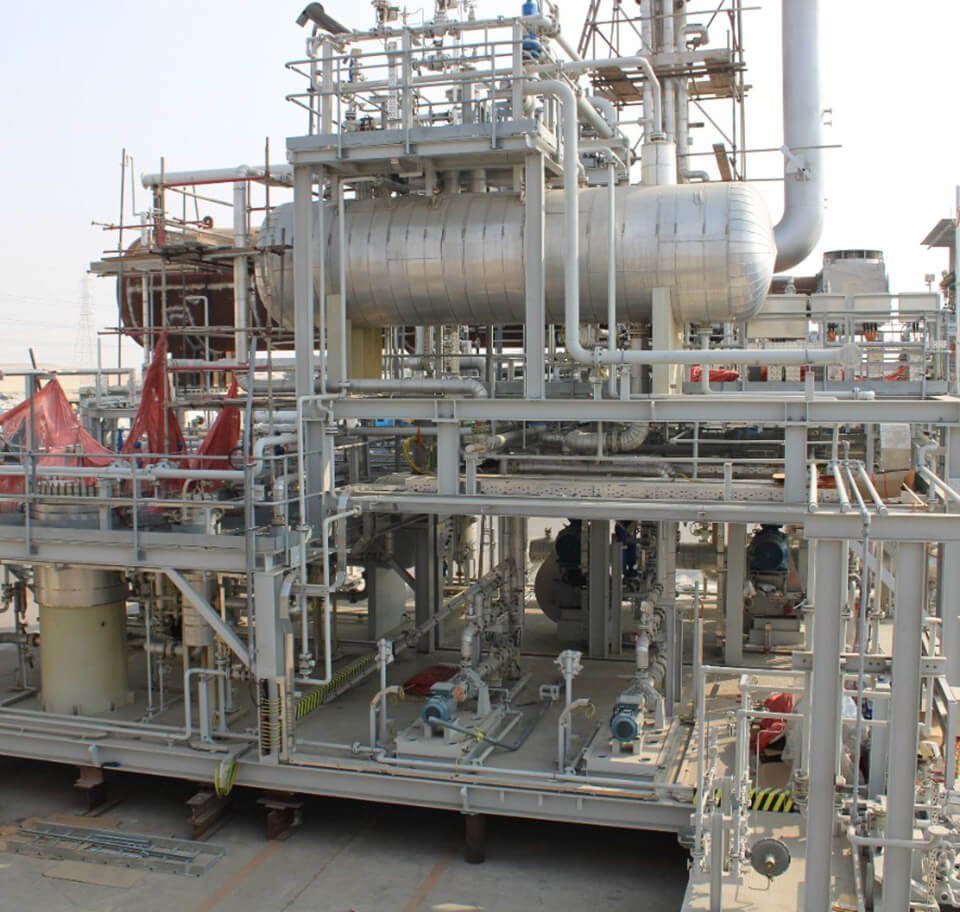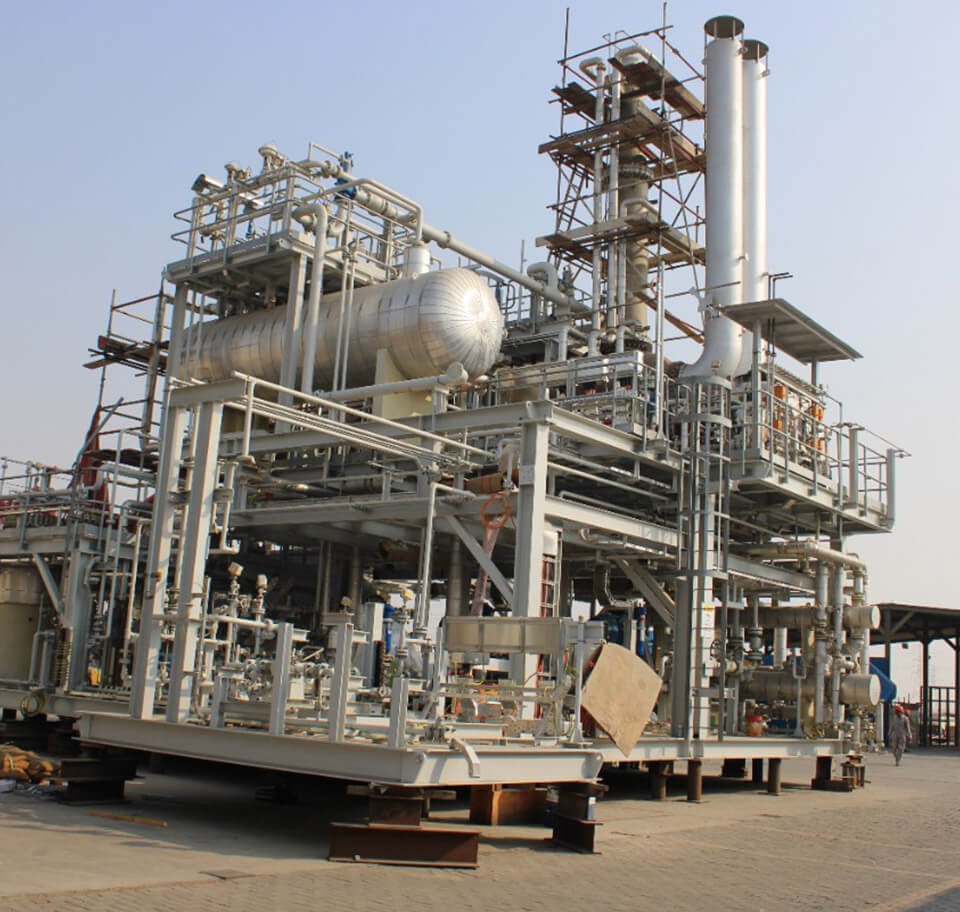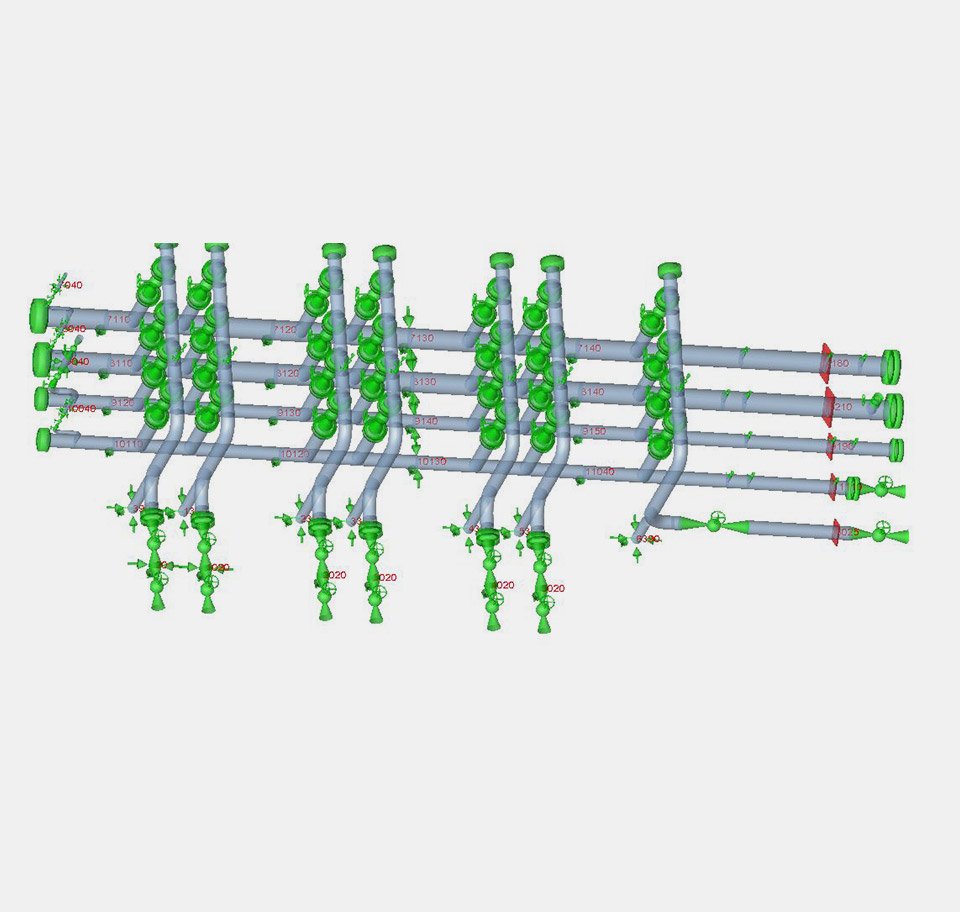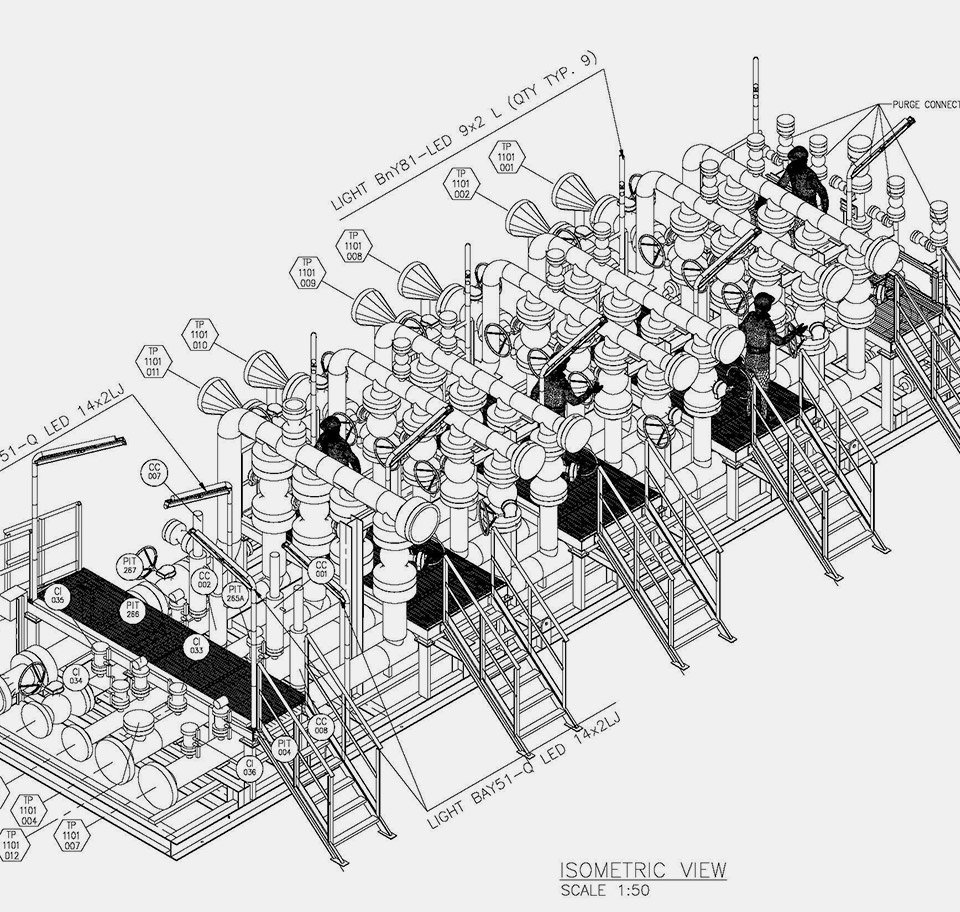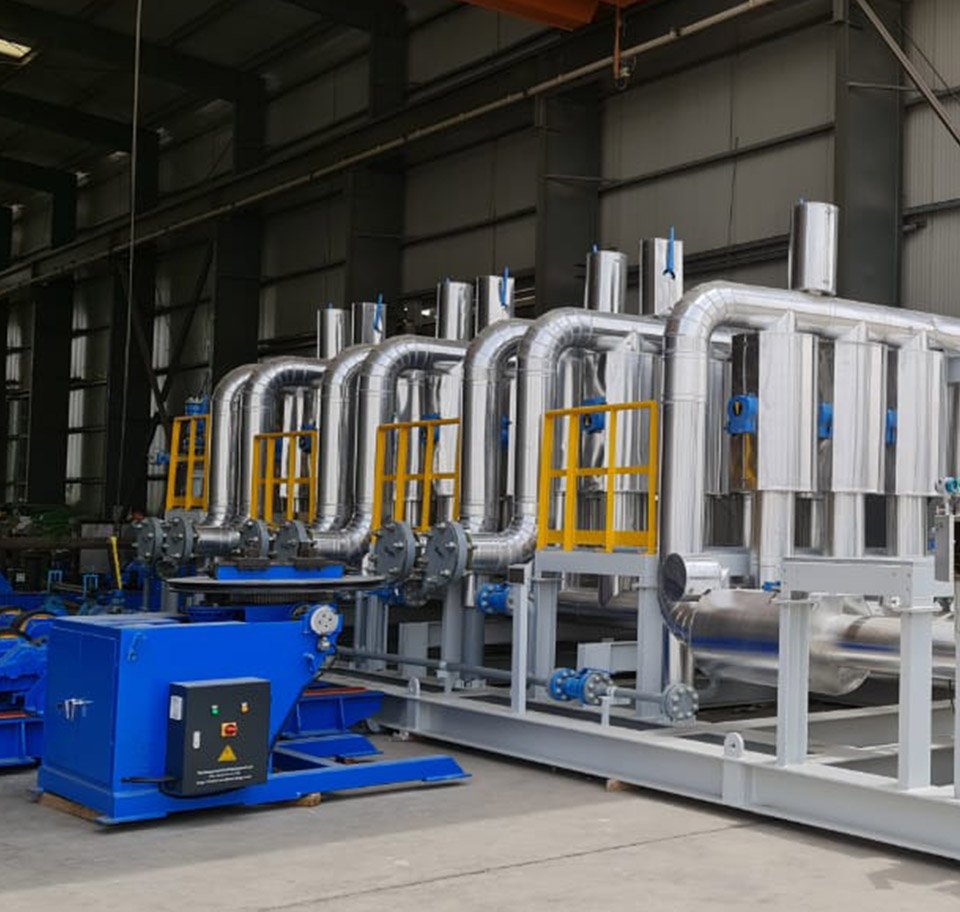
Nuclear Power Plant Project
Nuclear Power Plant Wastewater Treatment
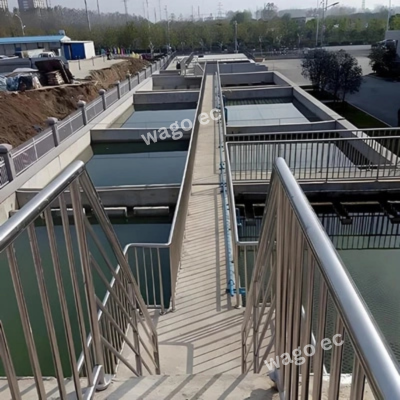
Understanding Water Treatment: How We Make Water Safe
At its simplest, water treatment is the process of cleaning raw water—whether it’s from a river, well, or the ocean—so that it is safe and appropriate for its intended use. The goal is always the same: to remove unwanted materials and adjust the water’s chemical balance.
- Contaminant Removal — Eliminating harmful pathogens, heavy metals, and harmful organic chemicals.
- Property Adjustment — Modifying pH, hardness, clarity and taste.
- Safety & Environmental Protection — Protecting public health and preserving our ecosystems.
The Anatomy of a Water Treatment System
Water treatment isn’t a single “filter” step; it is usually a multi-stage journey. Here is how a standard system breaks down:
Pretreatment: Clearing the Way
Before water reaches sensitive membranes or delicate filters, we need to get rid of the big stuff.
- Grilles/Screens — A physical barrier to catch large debris like leaves, plastic, or waste.
- Raw Water Pumps — Keep the water moving through the system at the right pressure.
- Multi-Media Filters — Layers of sand and anthracite strip out sediment and cloudiness.
- Activated Carbon Filters — Soak up smells, residual chlorine, and organic pollutants.
- Softeners — Replace calcium and magnesium ions with sodium to stop scale (white mineral buildup).
- Precision/Safety Filters — A final guard, catching remaining microscopic particles.
Core Treatment: The Purification Powerhouse
This is where the magic happens—where we get down to the molecular level.
- High-Pressure Pumps — Provide the force required to push water through the filtration membranes.
- Reverse Osmosis (RO) — The heart of the system, stripping away almost all dissolved salts and contaminants.
- Energy Recovery — Grabs pressure from the waste stream to significantly save electricity.
- EDI (Electrodeionization) — Pulls out the very last remaining mineral traces.
Polishing and Disinfection: Ensuring Safety
Even if the water is clear, we need to make sure it’s biologically safe for the end user.
- UV Sterilizers — Scramble the DNA of germs using light, ensuring they can’t reproduce.
- Ozone Generators — A powerful oxidizer that wipes out bacteria, viruses, and odors.
- Chemical Disinfection — A small, safe amount of chlorine or chlorine dioxide keeps the water sterile in transit.
- Terminal Filtration — Very fine 0.22 or 0.45-micron filters act as the final checkpoint.
The “Support Staff”: Auxiliary Systems
A treatment plant can’t run on filters alone.
- Dosing Systems — The “medicine cabinet”—scale inhibitors, reducing agents, and pH chemicals.
- Storage Tanks — Provide a buffer across raw, intermediate, and pure water stages.
- Control Systems (The “Brain”) — PLC or DCS systems monitor water quality 24/7 and alert operators.
Sludge Management: Cleaning Up After Ourselves
Treatment creates waste, usually in the form of sludge.
- Concentration & Dehydration — Mechanical presses or centrifuges squeeze out water, leaving a solid mud cake.