Industrial Wastewater Project

Industrial High-salt Wastewater Treatment System

Transforming Raw Water into High-Quality Water

At its core, water treatment is a vital engineering process used to purify raw water from natural sources—such as rivers, wells, or oceans—so that it meets the strict quality requirements for specific uses. Whether the objective is safe drinking water or high-purity industrial supply, the process relies on a combination of physical, chemical, and biological methods to achieve three main goals:

  • Contaminant RemovalEliminating harmful pathogens, toxic heavy metals, and persistent organic pollutants.
  • Property AdjustmentModifying water characteristics like pH, mineral hardness, clarity, and taste.
  • Safety & Environmental ProtectionEnsuring the water is safe for human consumption and that any discharged water does not harm the surrounding ecosystem.

The Anatomy of a Water Treatment System

Water treatment is a staged journey. Below is a breakdown of how a standard, comprehensive system functions:

01

Pretreatment: Protecting Core Assets

Pretreatment is the “heavy lifting” stage designed to remove large particles and impurities that could damage sensitive downstream equipment.

  • Grilles / ScreensThe first defense, catching large floating debris like plastic, leaves, and hair.
  • Raw Water PumpsThese maintain the pressure and flow needed to move water through the plant.

02

Core Treatment: The Purification Engine

This stage brings water to the molecular level of purity.

  • High-Pressure PumpsThese act as the “heart” of the system, providing the force needed to push water through membranes.
  • Reverse Osmosis (RO)This is the system’s core. Under high pressure, water passes through a semi-permeable membrane, leaving behind salts, bacteria, and microscopic contaminants.
  • Energy RecoveryOften used in large-scale desalination, this recovers pressure from the waste stream, drastically reducing energy usage.
  • EDI (Electrodeionization)Located after RO, this combines electricity and ion exchange to continuously polish the water to “ultra-pure” status without needing chemical regeneration.
03

Polishing and Disinfection: Ensuring Safety

Even after core treatment, we must ensure the water is biologically sterile.

  • Disinfection (UV / Ozone)A final safeguard that neutralizes any remaining bacteria or viruses before the water travels through pipes to the end-user.
  • Terminal Precision FiltersFine 0.22 or 0.45-micron filters installed at the point of use to guarantee a sterile final product.

04

Auxiliary and Public Systems

These systems support the main treatment flow:

  • Dosing SystemsThe plant’s “pharmacy.” They inject chemicals to prevent scaling, neutralize chlorine, or balance the water’s pH level.
  • Water TanksThese act as essential buffers to balance water quality and quantity across the different stages.
  • Control SystemsThe “brain” of the plant. Modern systems use PLC or DCS technology to automate operations and monitor water quality in real-time.
05

Sludge Treatment: Managing Byproducts

Every purification process generates waste in the form of sludge.

  • Sludge HandlingThrough thickening and mechanical dehydration (using belt or plate presses), the sludge is converted into a dry, compact cake — drastically reducing its volume for safe transport and disposal.

WAGO

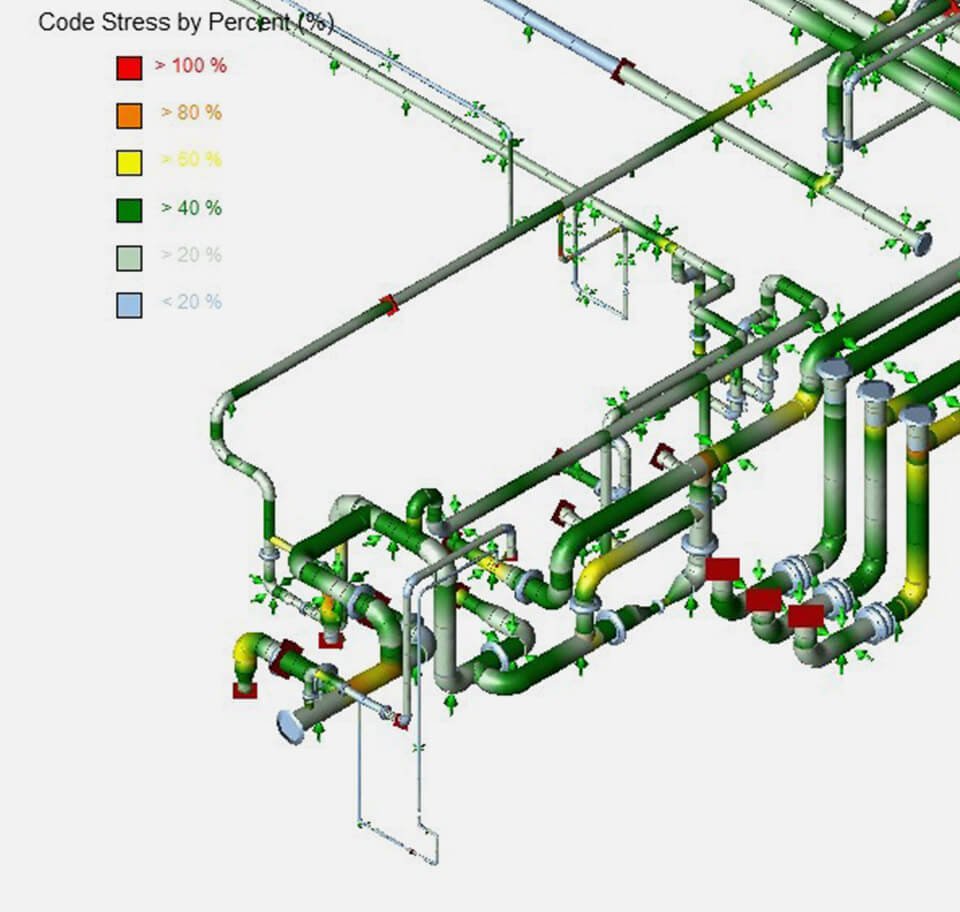
Stress Analysis & Pipe Support Design

Stress Analysis of the skid and interconnecting piping including modifications required. Scope also included piping support selection and design.

Key Features

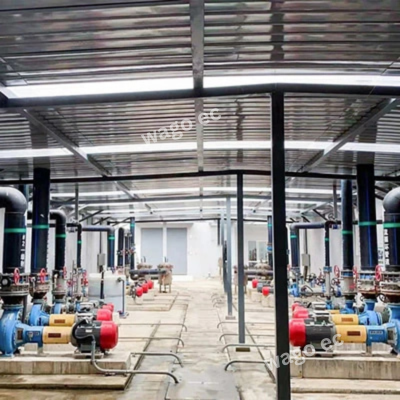
Design of Muhallah Pumping Station

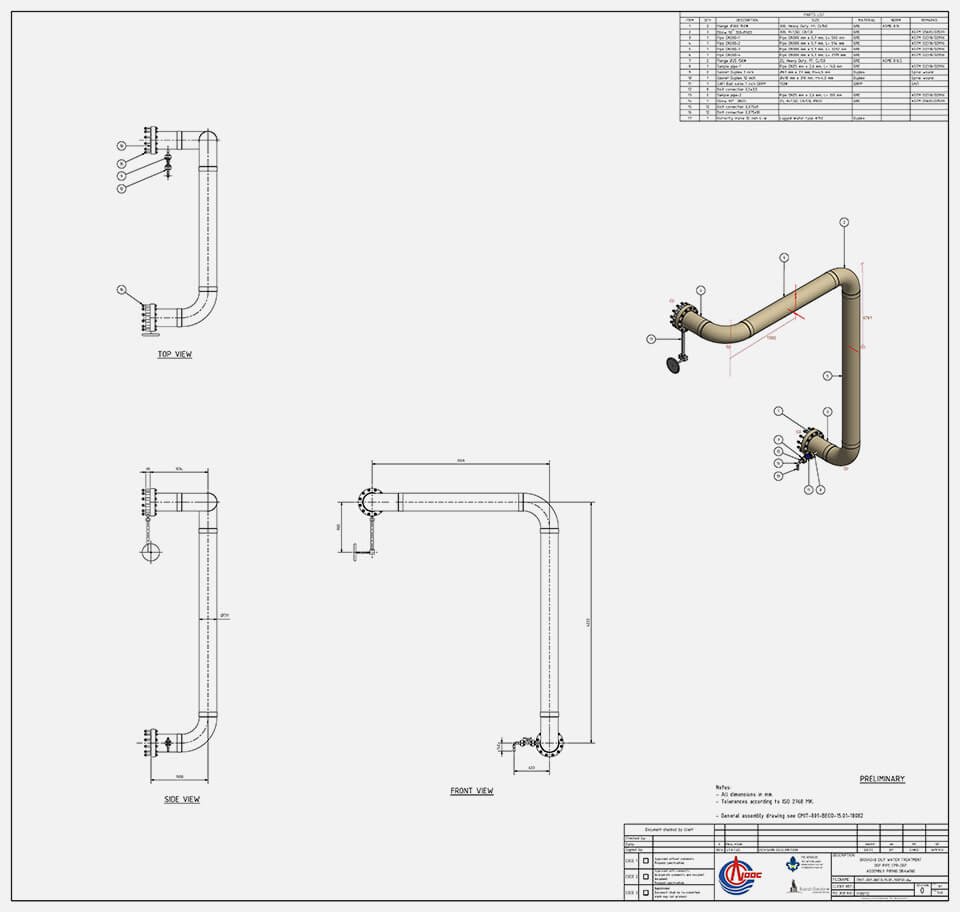
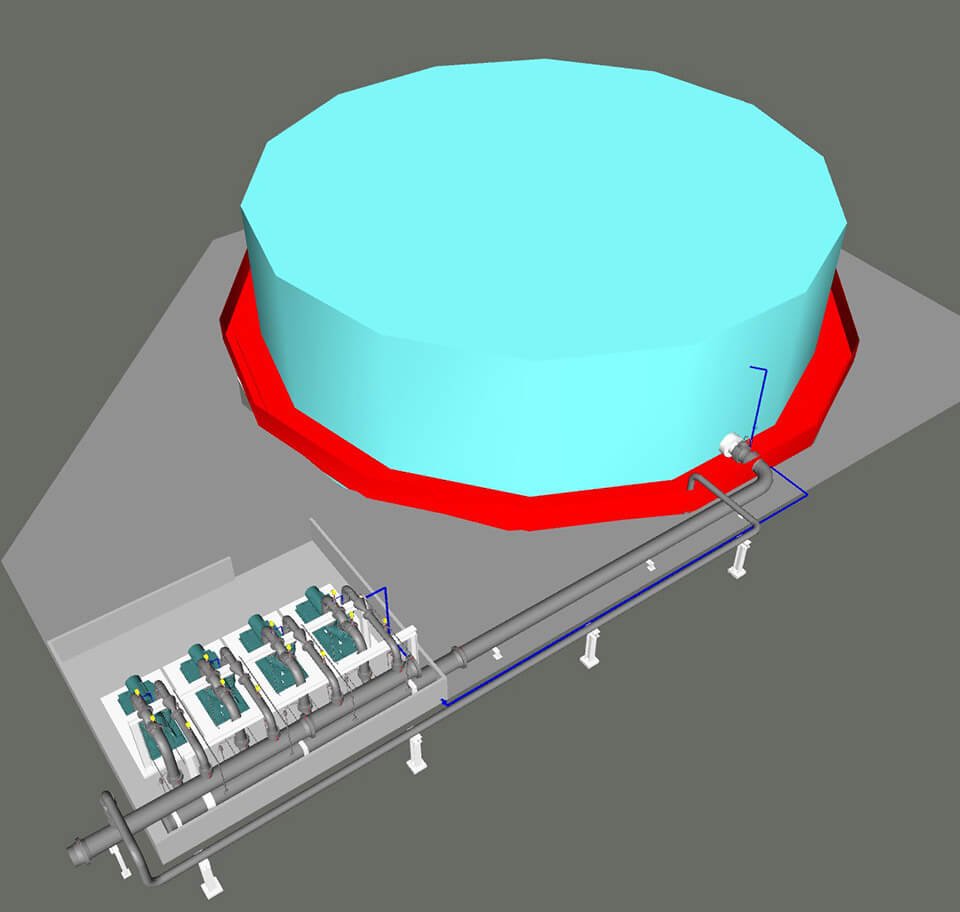
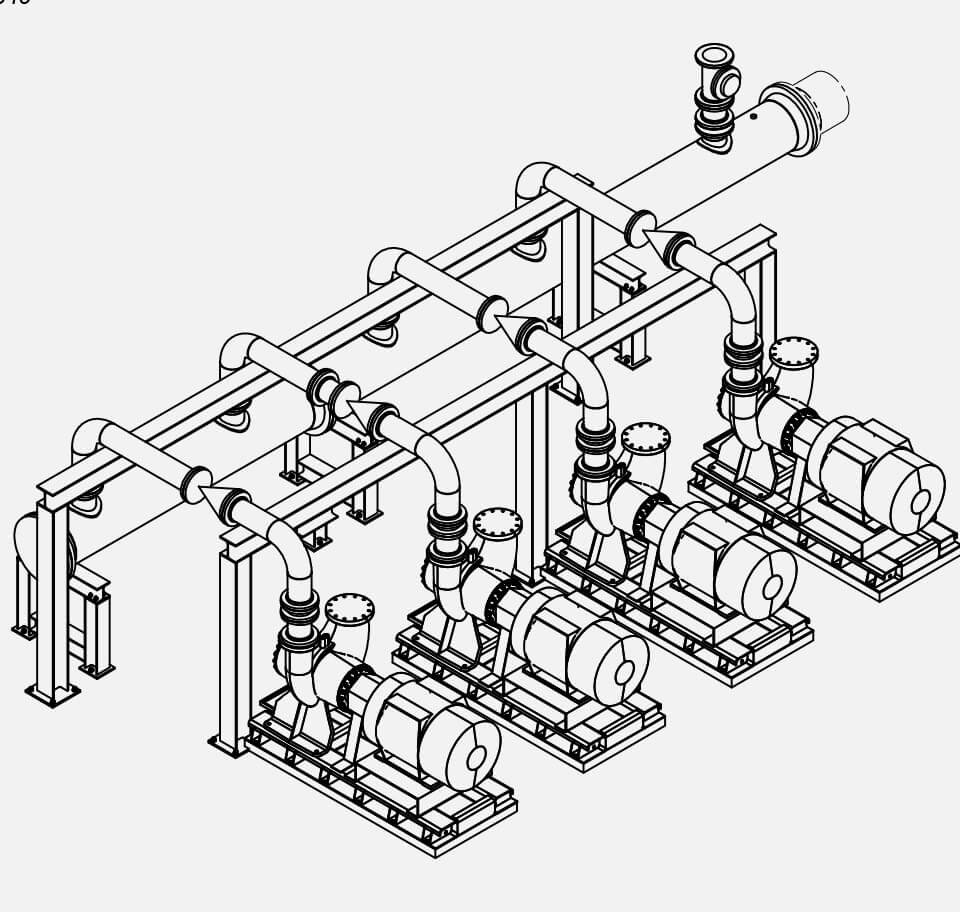
Civil, Electrical, Mechanical and Piping design of the pumping station. Scope included foundation drawings, electrical cable schedule, pump datasheets, 3d modeling, GA drawings and isometrics among other deliverables

Key Features

Stress Analysis of HP Steam Boiler and Turbine Piping

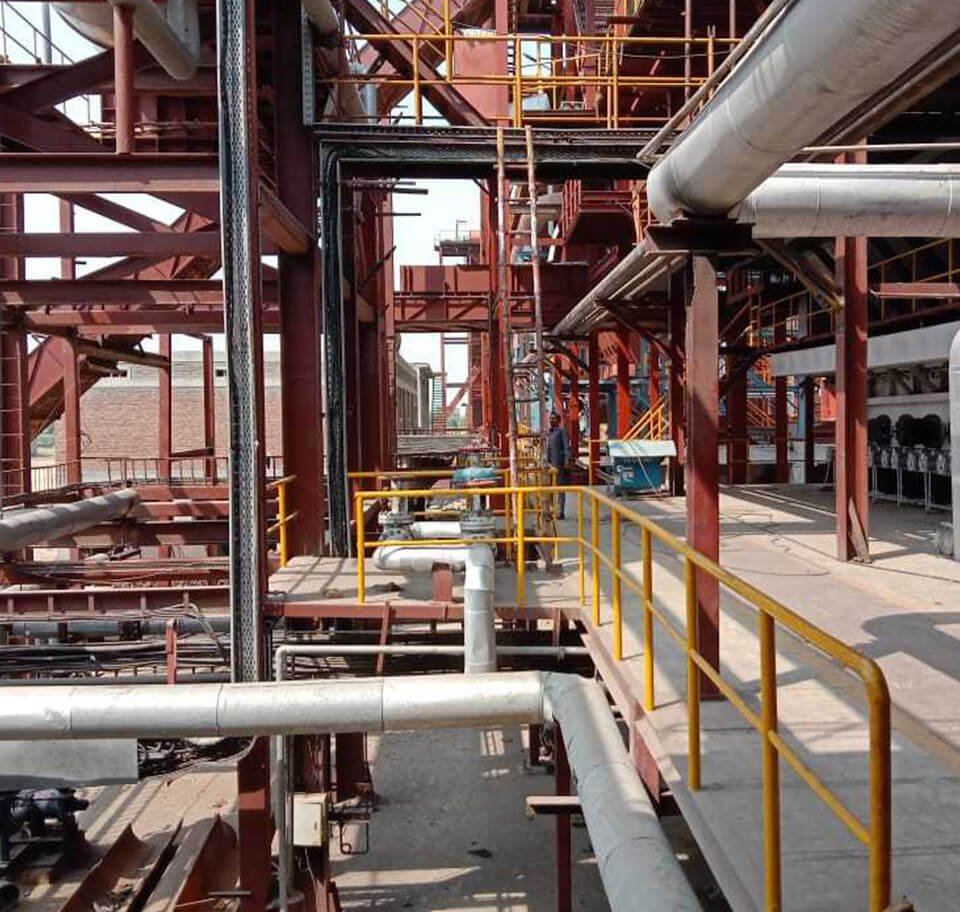
Stress Analysis of High Pressure Steam Boiler and Turbine piping. Scope included performing stress analysis as per B31.1, recommending changes in piping routing, support selection, spring support datasheets, stress isometrics, & final report.

Key Features

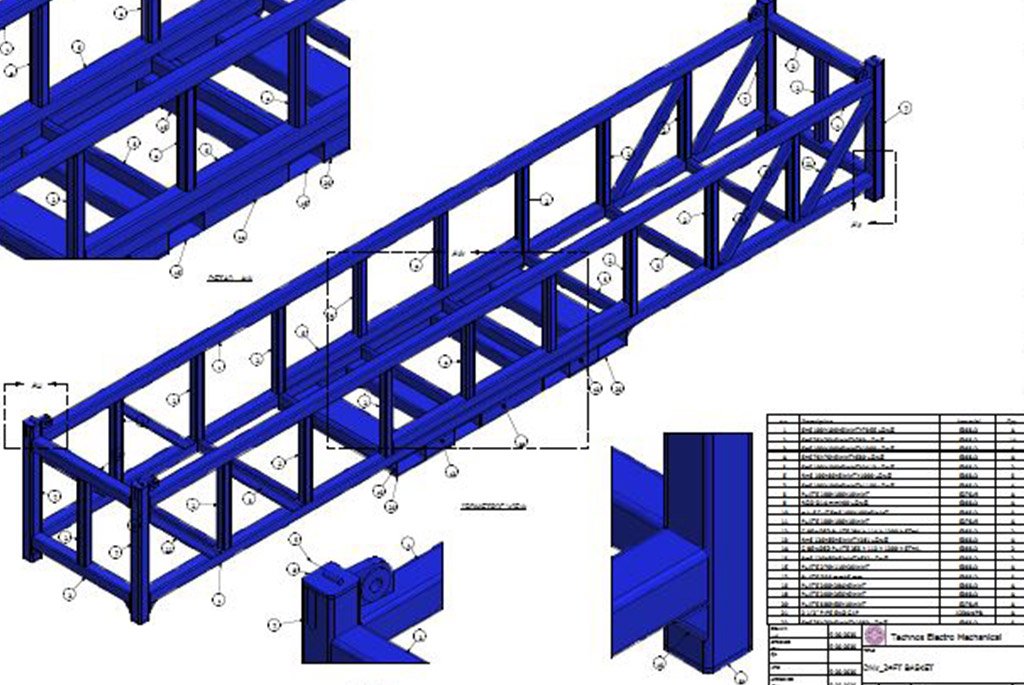
Mechanical Design of DNV Baskets

Mechanical Design of SS & LTCS Progen Vessels. Scope included calculations as per ASME Sec VIII Div 1, GA, and fabrication drawings.

Key Features:

Engineering Design of MEG Package

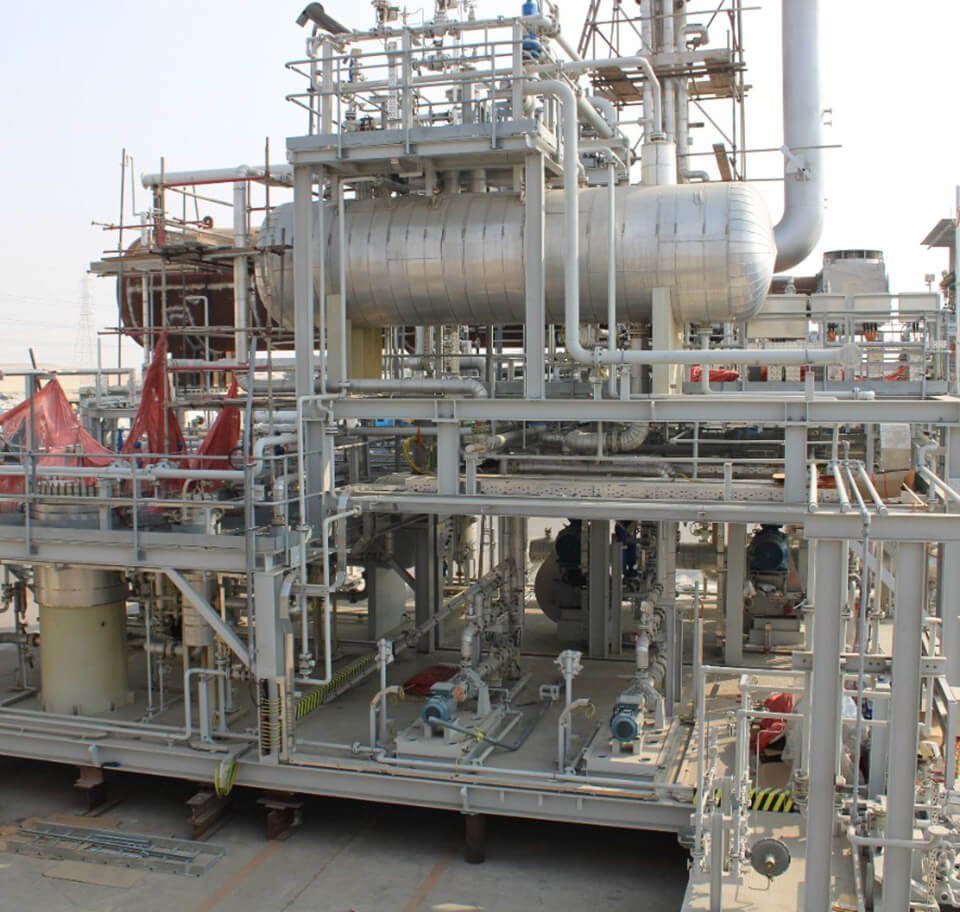
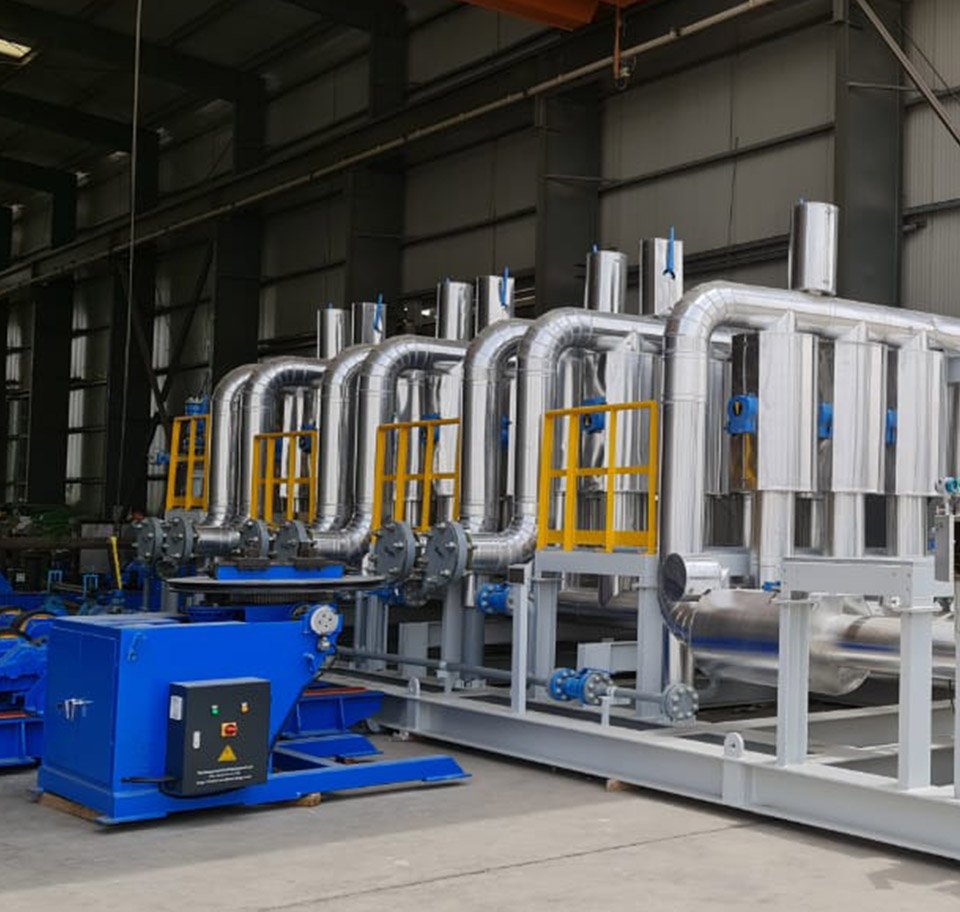
Mechanical, Structural, E&I, & Piping Design of MEG Package. Scope included mechanical design calculations and drawings, 3d modeling, GA drawings, isometrics, Stress analysis as per B31.3, & Structural design and drawings.

Engineering Design of Gathering Manifold Skid

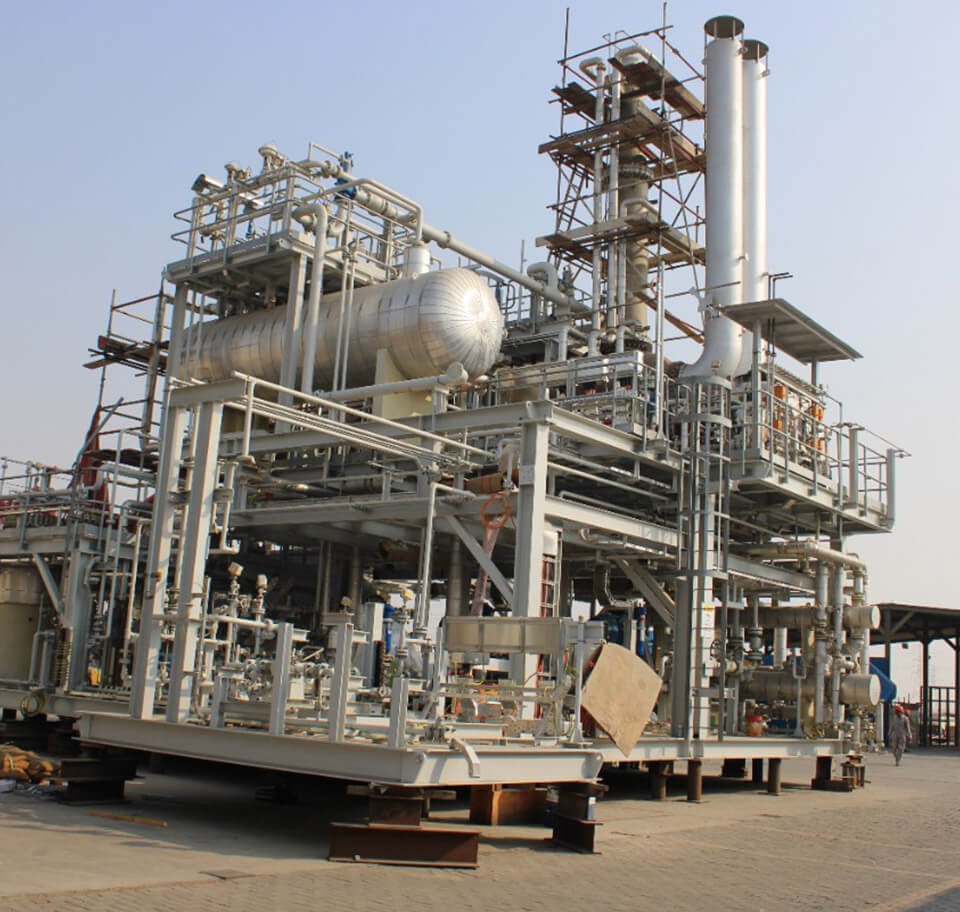
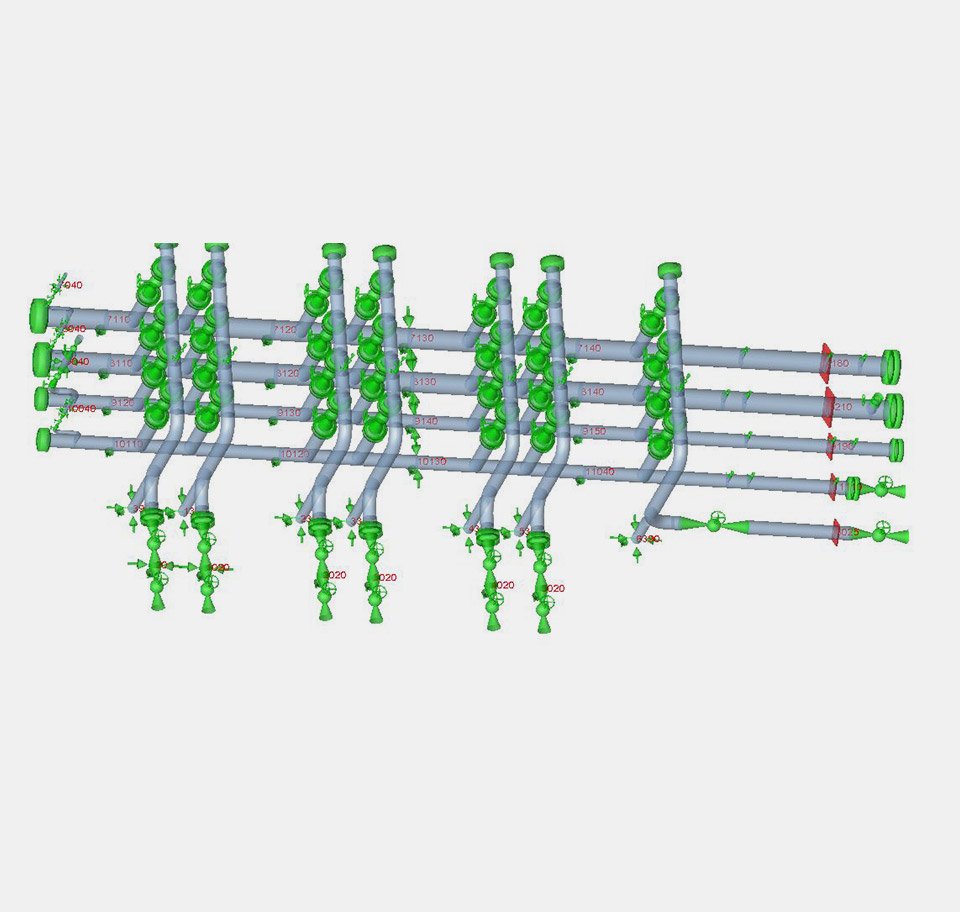
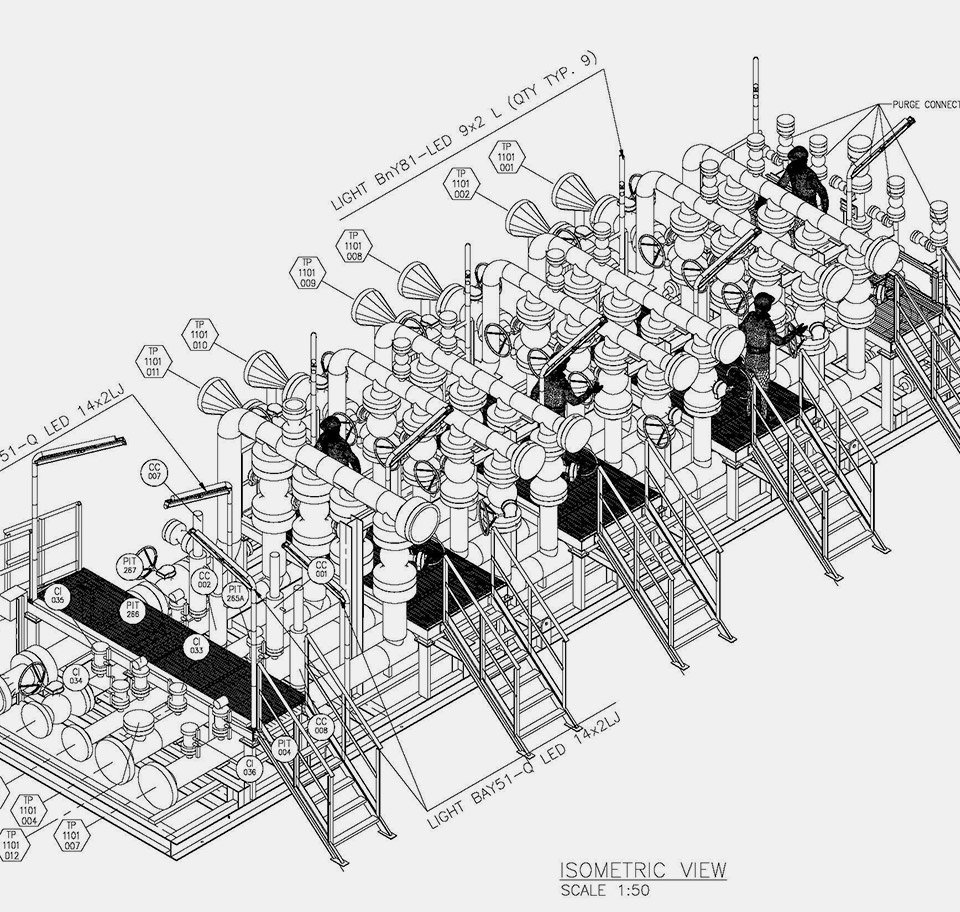
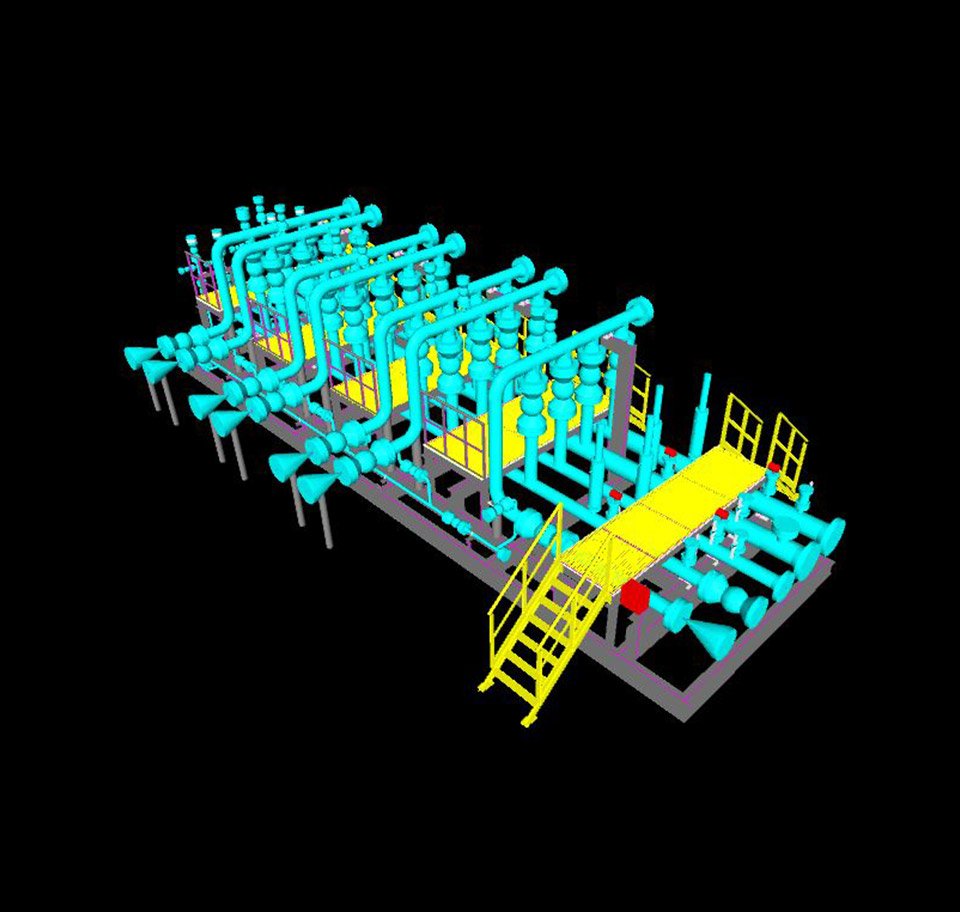
Piping, Structural, & Instrumentation Design of Gathering Manifold Skid. Scope included 3d modeling, stress analysis, GA drawings, isometrics, structural calculation and drawings, cable schedule and layouts.

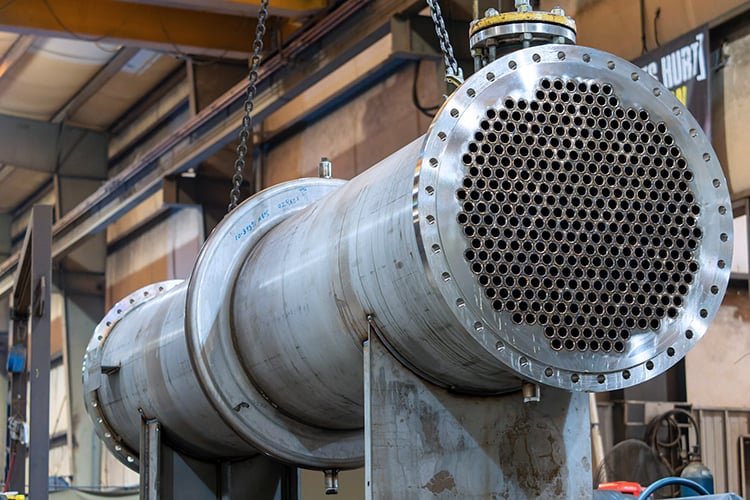
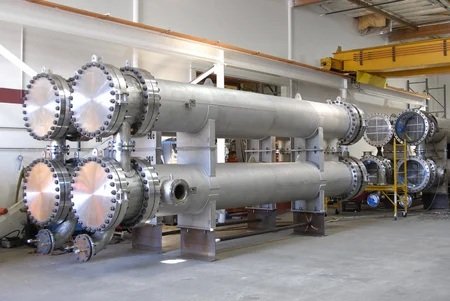
ENGINEERING, PROCUREMENT AND FABRICATION OF 25 SET OF EXCHANGERS

Engineering including mechanical design and drawings, procurement of material, fabrication, inspection and testing as per ASME code.