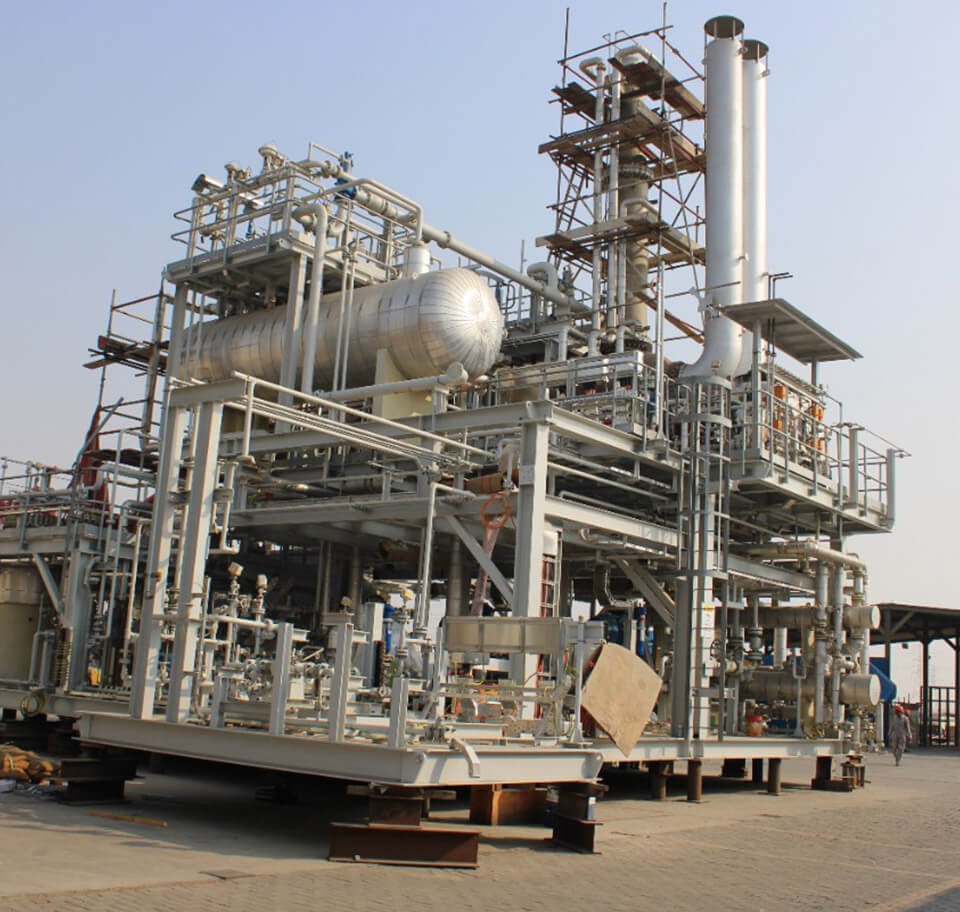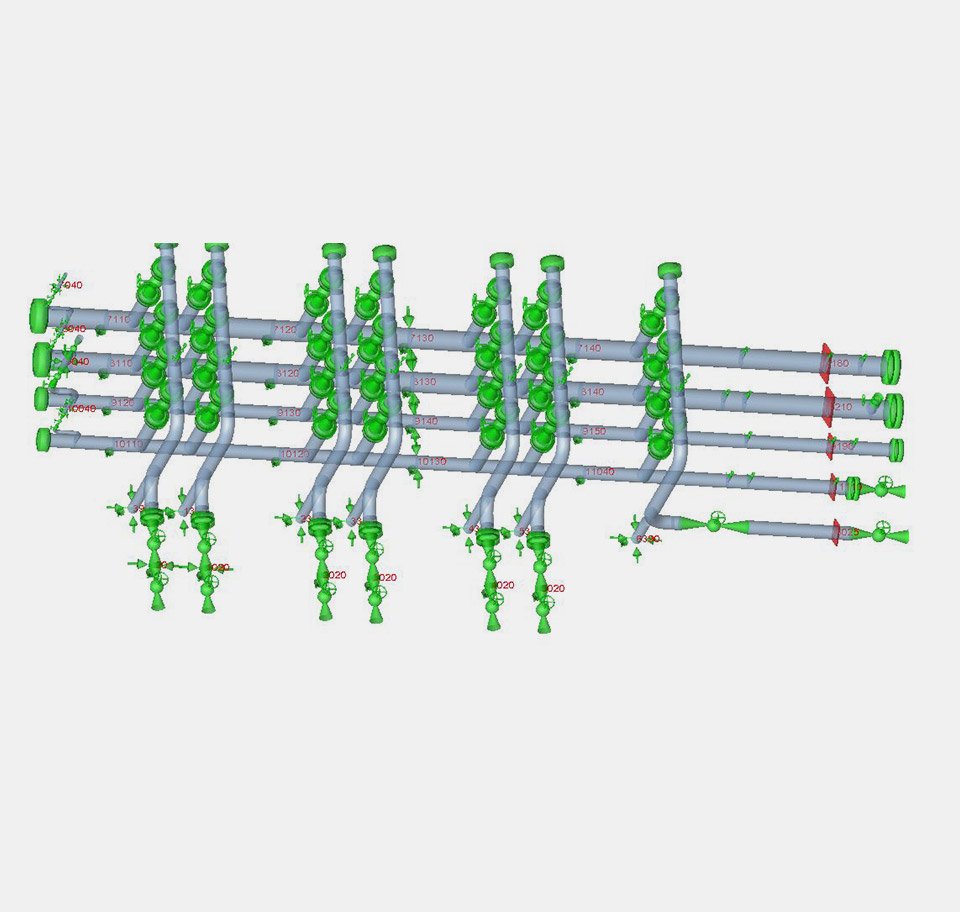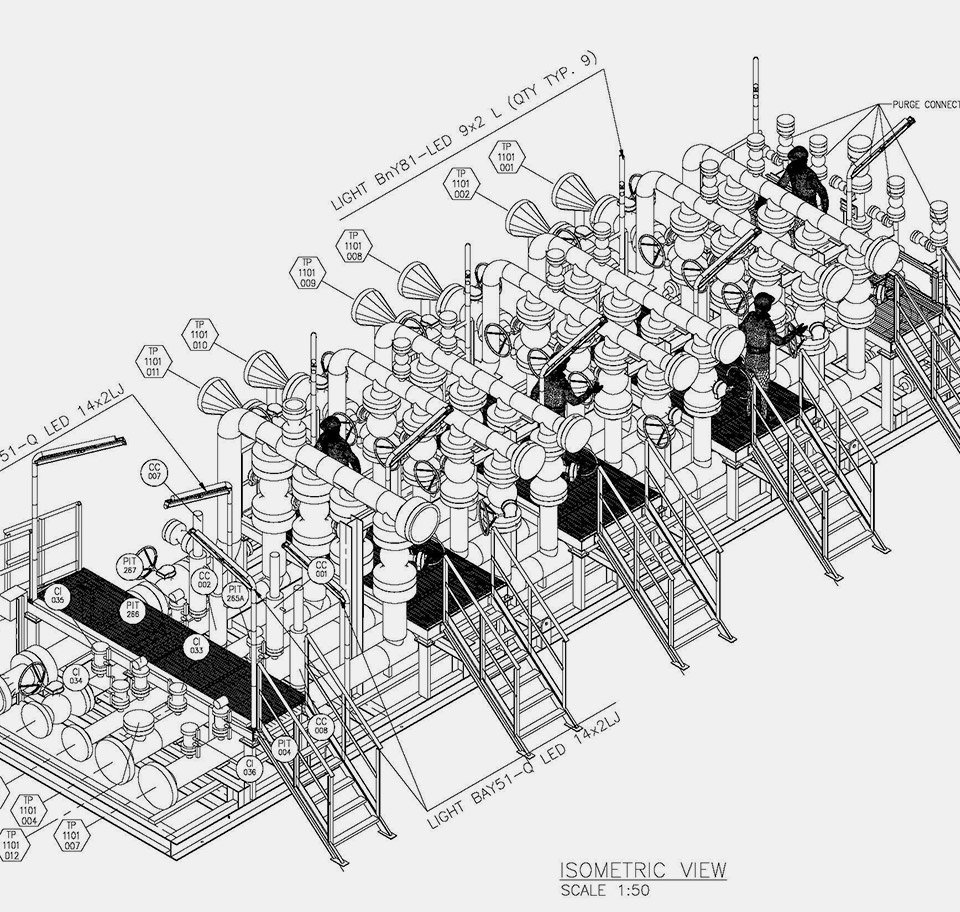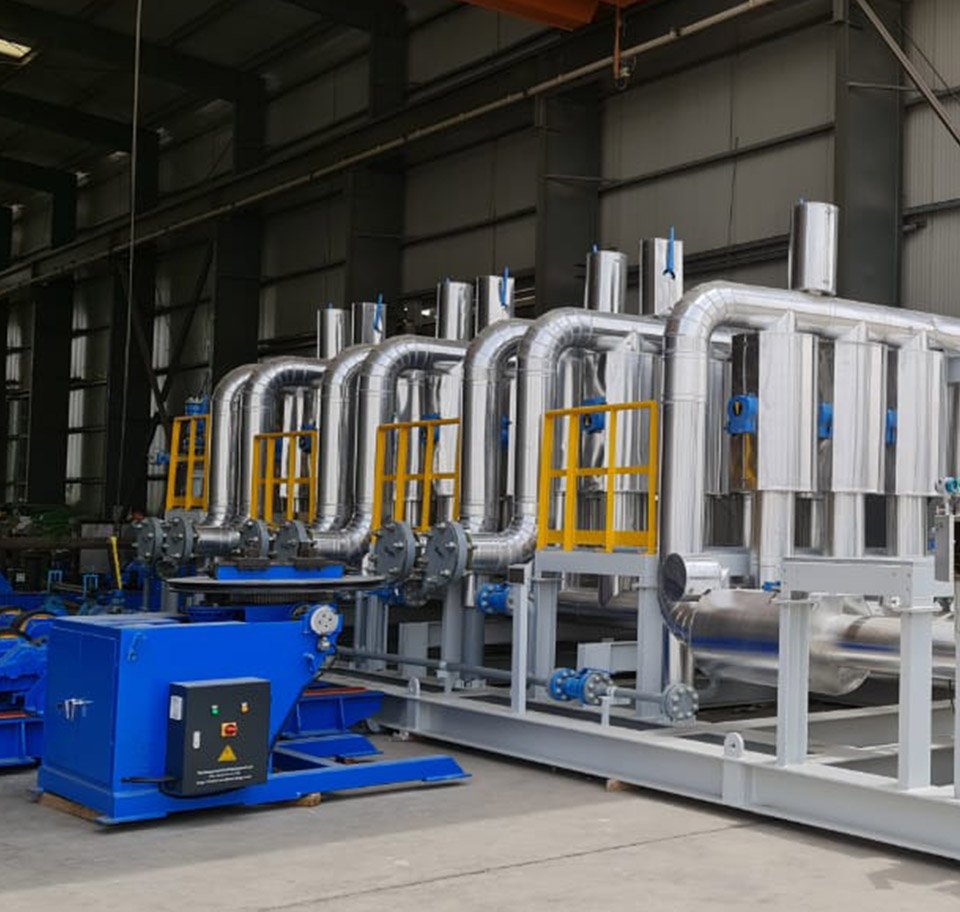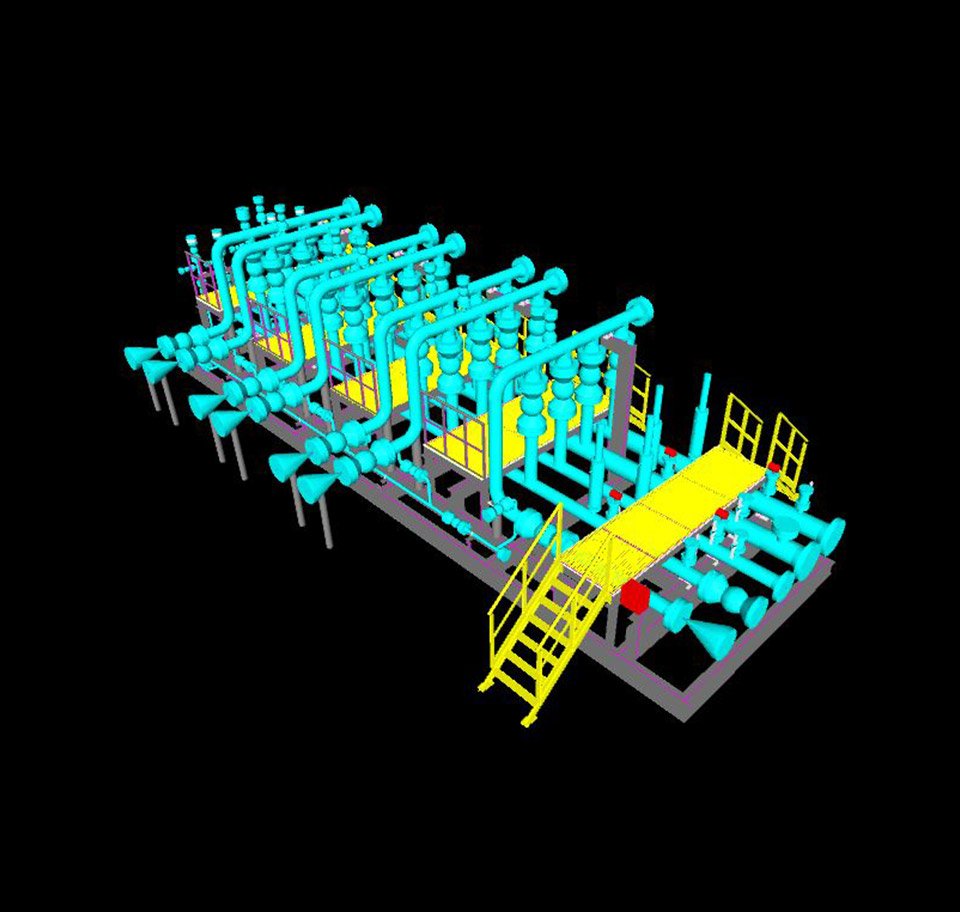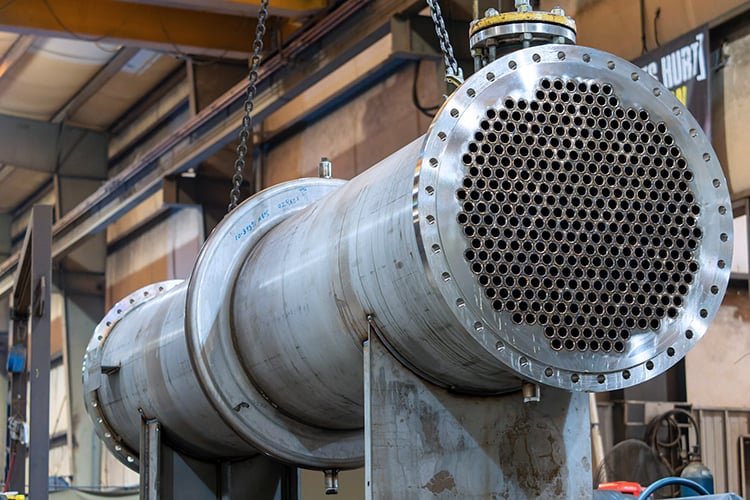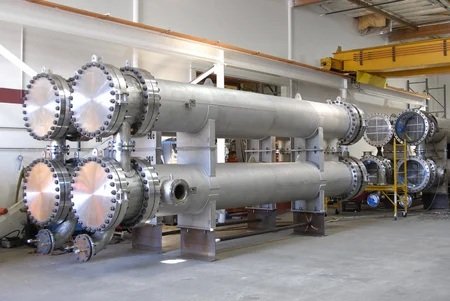
Semiconductor Industry Project
Wastewater Treatment System in Semiconductor Industry
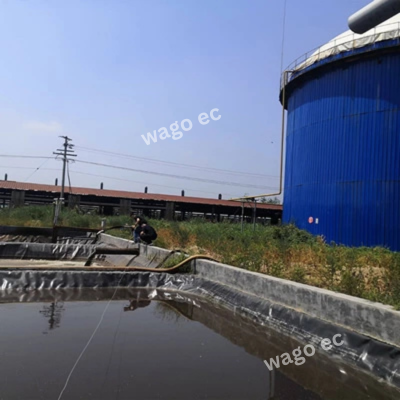
Water Treatment: Ensuring Our Most Vital Resource
At its heart, water treatment is a sophisticated engineering endeavor to take water from natural sources—be it a river, a deep-seated aquifer, or the open ocean—and refine it until it is perfectly suited for its intended use, whether that’s safe drinking water, high-purity water for delicate industrial electronics, or irrigation.
- Purification — Removing harmful pathogens, heavy metals, synthetic organic pollutants, and other contaminants.
- Optimization — Adjusting the water’s pH level, hardness, clarity, and overall taste.
- Stewardship — Guaranteeing water safety for human health and protecting local ecosystems.
The Anatomy of a Water Treatment System
Water treatment is rarely a single-step process; it is a systematic, multi-stage journey. Here is how a standard, comprehensive system is built:
Pretreatment: Protecting the System
Before water reaches sensitive membranes or high-precision equipment, it must be cleared of “the big stuff.”
- Grilles/Screens — Intercept large debris like leaves, plastic waste, or organic matter.
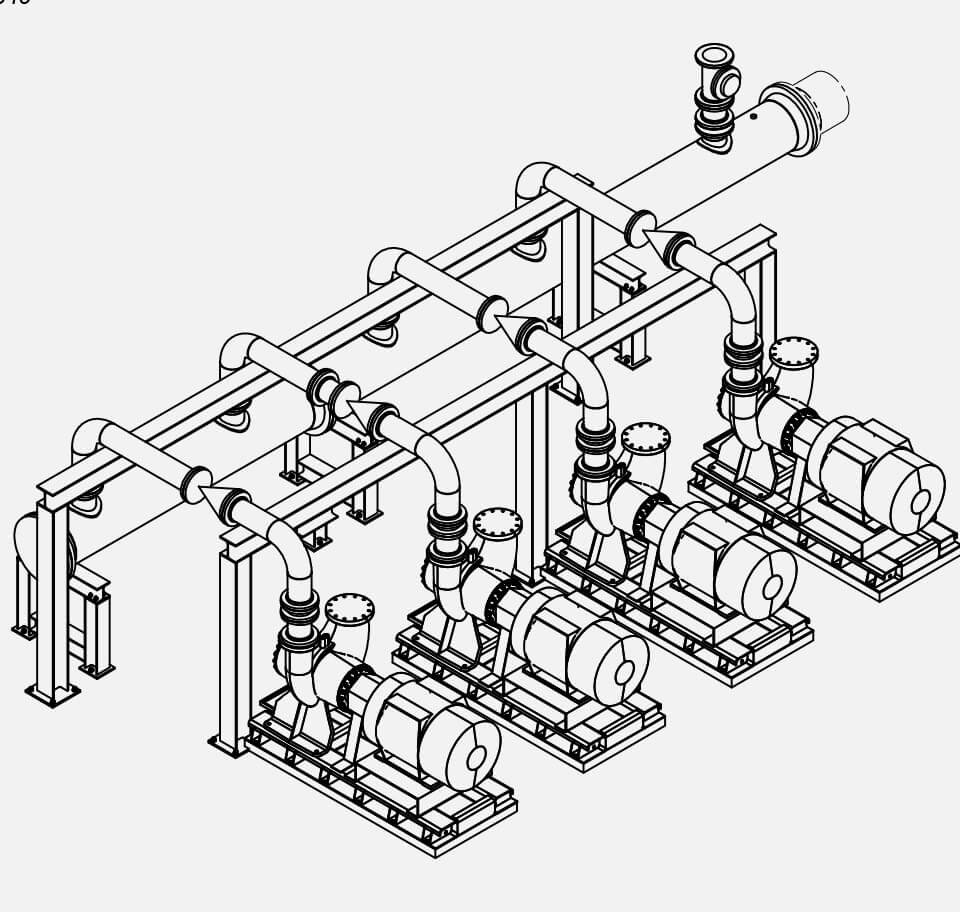
- Raw Water Pumps — Provide the necessary force to move water through the initial stages.
- Multi-Media Filters — Graded layers of quartz sand and anthracite strip away suspended solids and turbidity.
- Activated Carbon Filters — Use adsorption to strip out organic matter, residual chlorine, and odors.
- Softeners — Cation exchange resin swaps calcium and magnesium ions for sodium, preventing scale.
- Precision/Safety Filters — 5-micron elements act as a final gatekeeper before core treatment units.
Core Treatment: The Purification Powerhouse
This stage is where we reach the molecular level to strip away dissolved impurities.
- High-Pressure Pumps — The “heart” of the system, providing pressure to overcome osmotic forces.
- Reverse Osmosis (RO) Device — High pressure forces water through a membrane, leaving behind salts, colloids, bacteria, and organics.
- Energy Recovery Device — Recovers high-pressure energy from the waste stream, cutting electricity bills.
- EDI (Electrodeionization) — Combines electricity with ion exchange to produce ultra-pure water continuously.
Polishing and Disinfection: Final Safety
Once the bulk of the impurities are gone, we must ensure the water is biologically pristine.
- UV Sterilizers — Uses ultraviolet light to scramble the DNA of microorganisms, killing bacteria and viruses.
- Ozone Generators — Dissolved ozone gas destroys bacteria, viruses, and remaining color or odors.
- Residual Disinfection — Trace chlorine or chlorine dioxide protects water as it travels through long pipe networks.
- Terminal Precision Filters — Ultra-fine 0.22 or 0.45-micron filters provide a final sterile barrier.
Auxiliary and Public Systems
A treatment plant relies on several critical support structures to function.
- Dosing Systems — The plant’s “pharmacy”—injecting scale inhibitors, reducing agents, and pH balancers.
- Water Tanks/Pools — Act as buffers, balancing flow rates and water quality across stages.
- Control Systems — The “brain” of the operation—PLC or DCS systems enable automated 24/7 monitoring and instant alerts.
Sludge Treatment: Handling the Byproducts
Every purification process leaves behind waste, which we manage responsibly.
- Sludge Concentration & Dehydration — Mechanical presses or centrifuges remove excess water, creating a solid mud cake for transport or disposal.