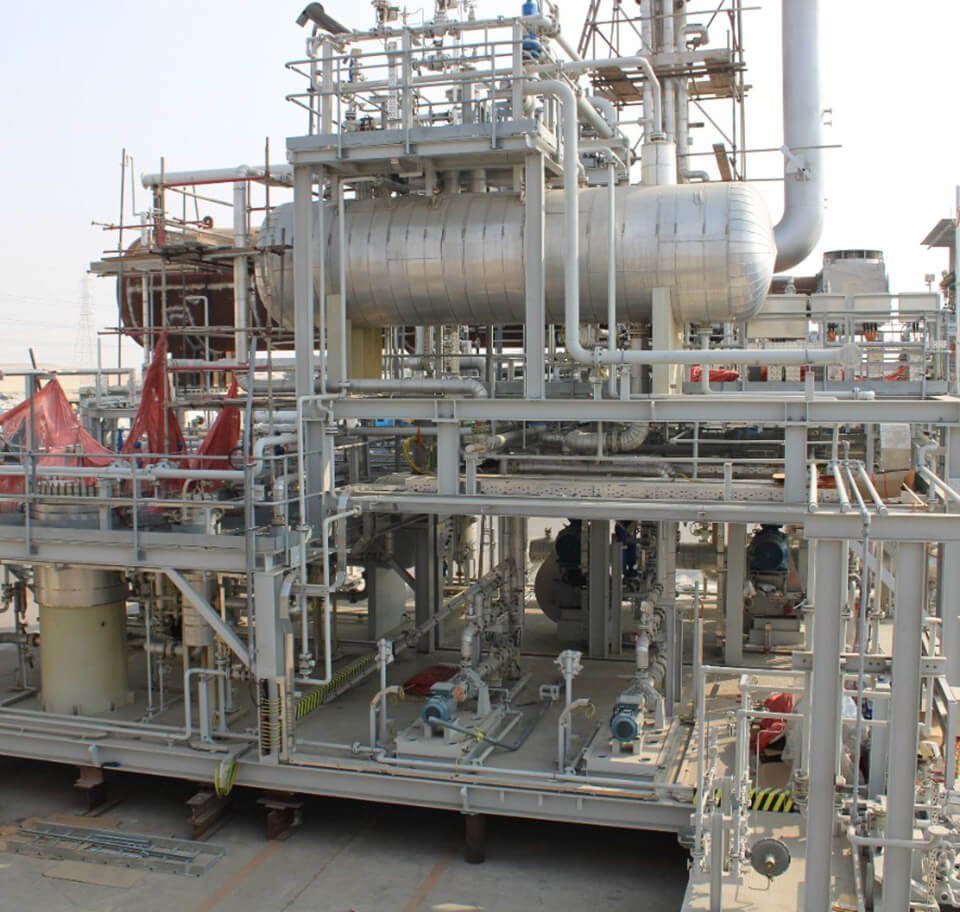
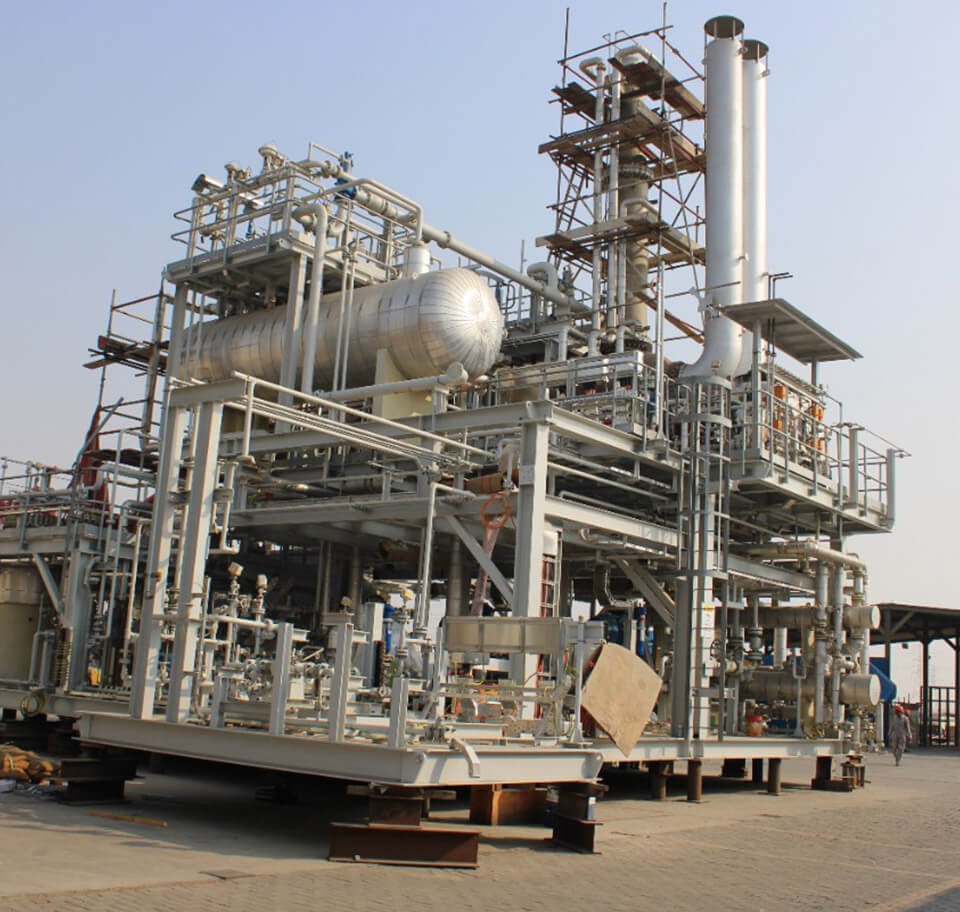
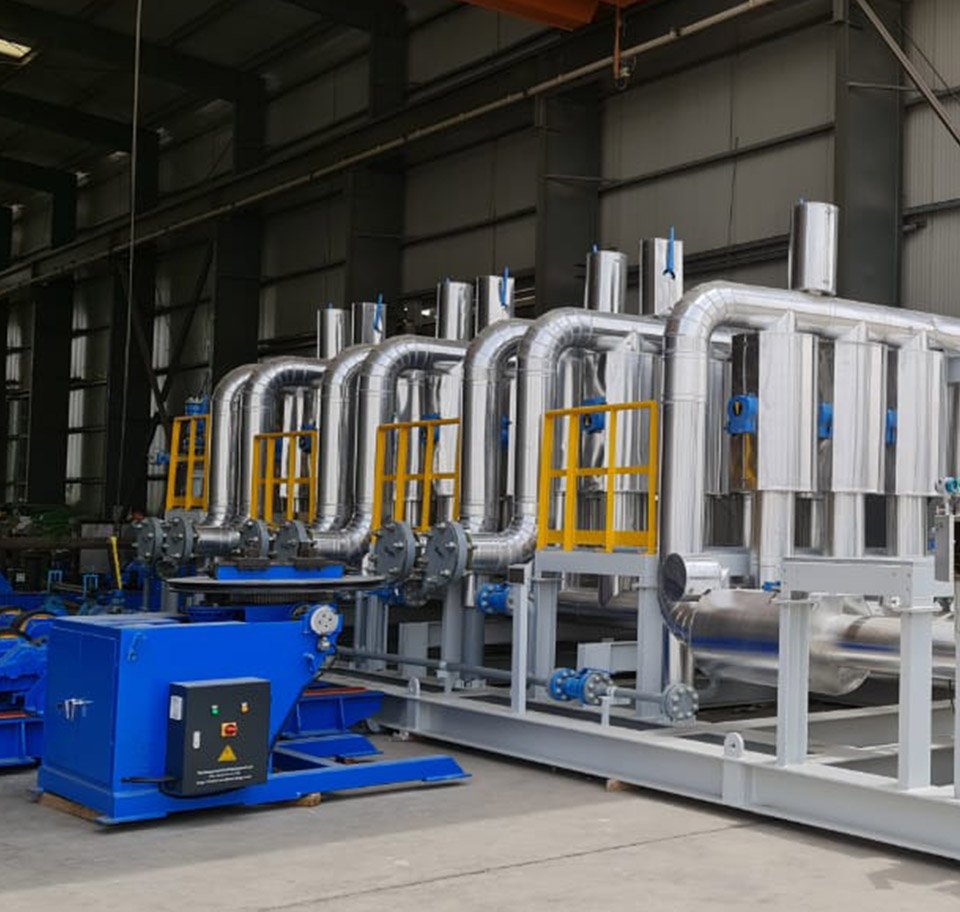
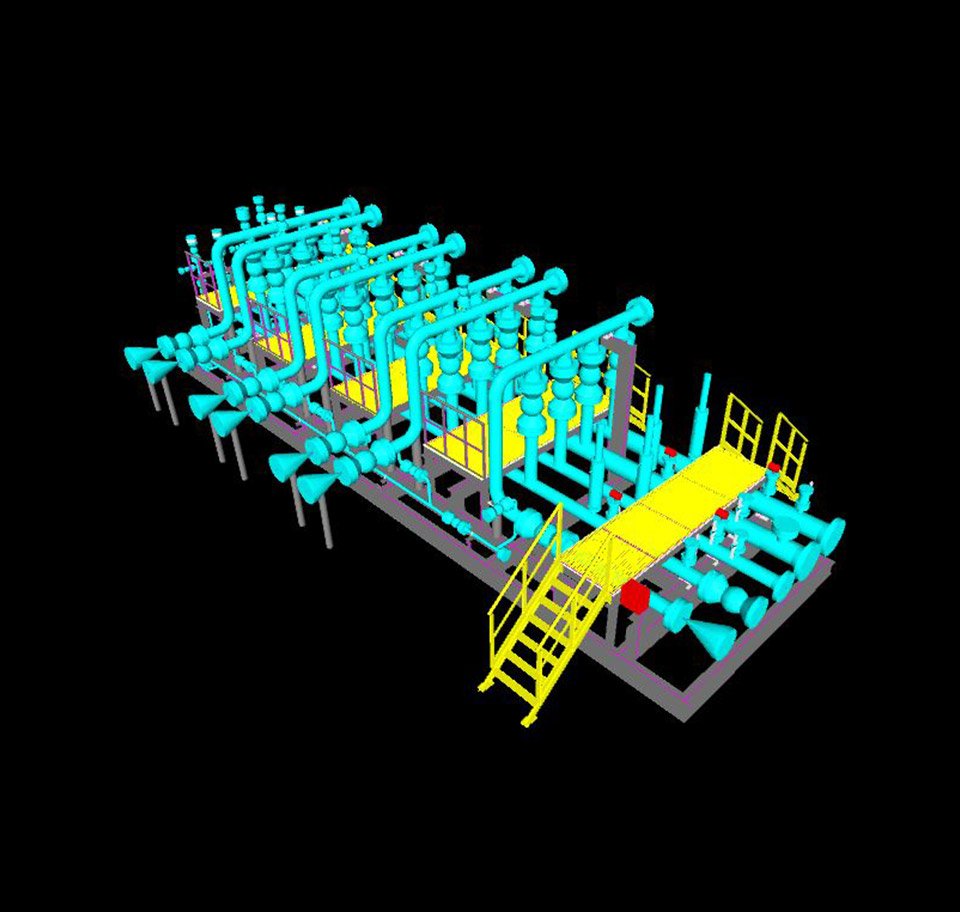
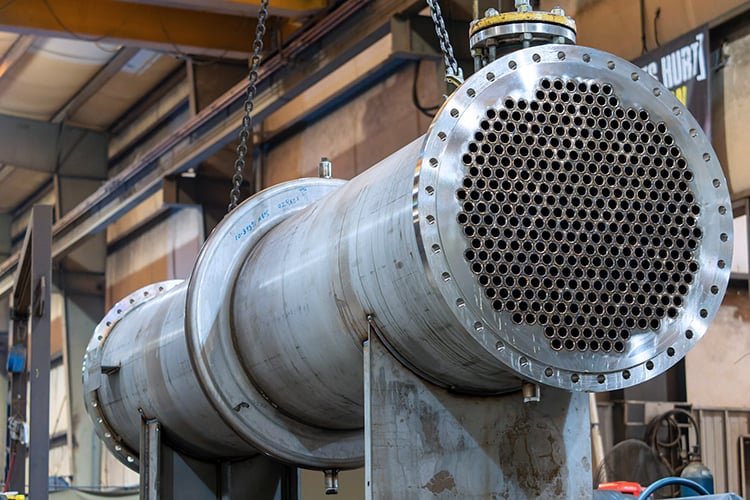
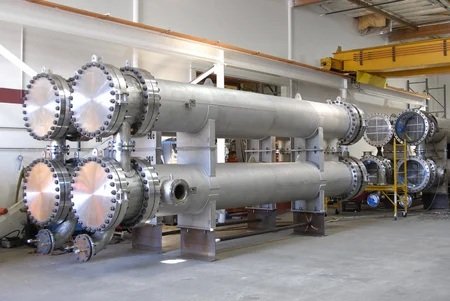
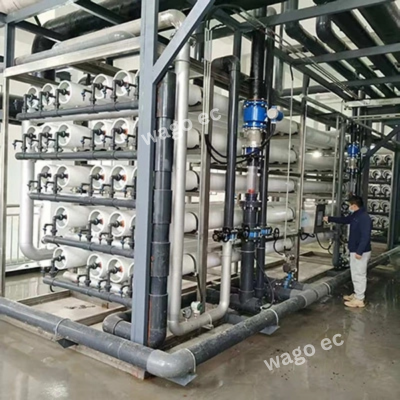
At its simplest, water treatment is the process of cleaning raw water—whether it’s from a river, well, or the ocean—so that it is safe and appropriate for its intended use. Whether you are aiming for clean drinking water, water for industrial processes, or irrigation, the goal is always the same: to remove unwanted materials and adjust the water’s chemical balance.
Ultimately, these systems are designed to protect public health, preserve our ecosystems, and ensure that the water we use is free from contaminants like bacteria, heavy metals, and harmful organic chemicals.